
Multigenerational Barcelona: A City That Works For Everyone
Multigenerational Barcelona: A City That Works For Everyone
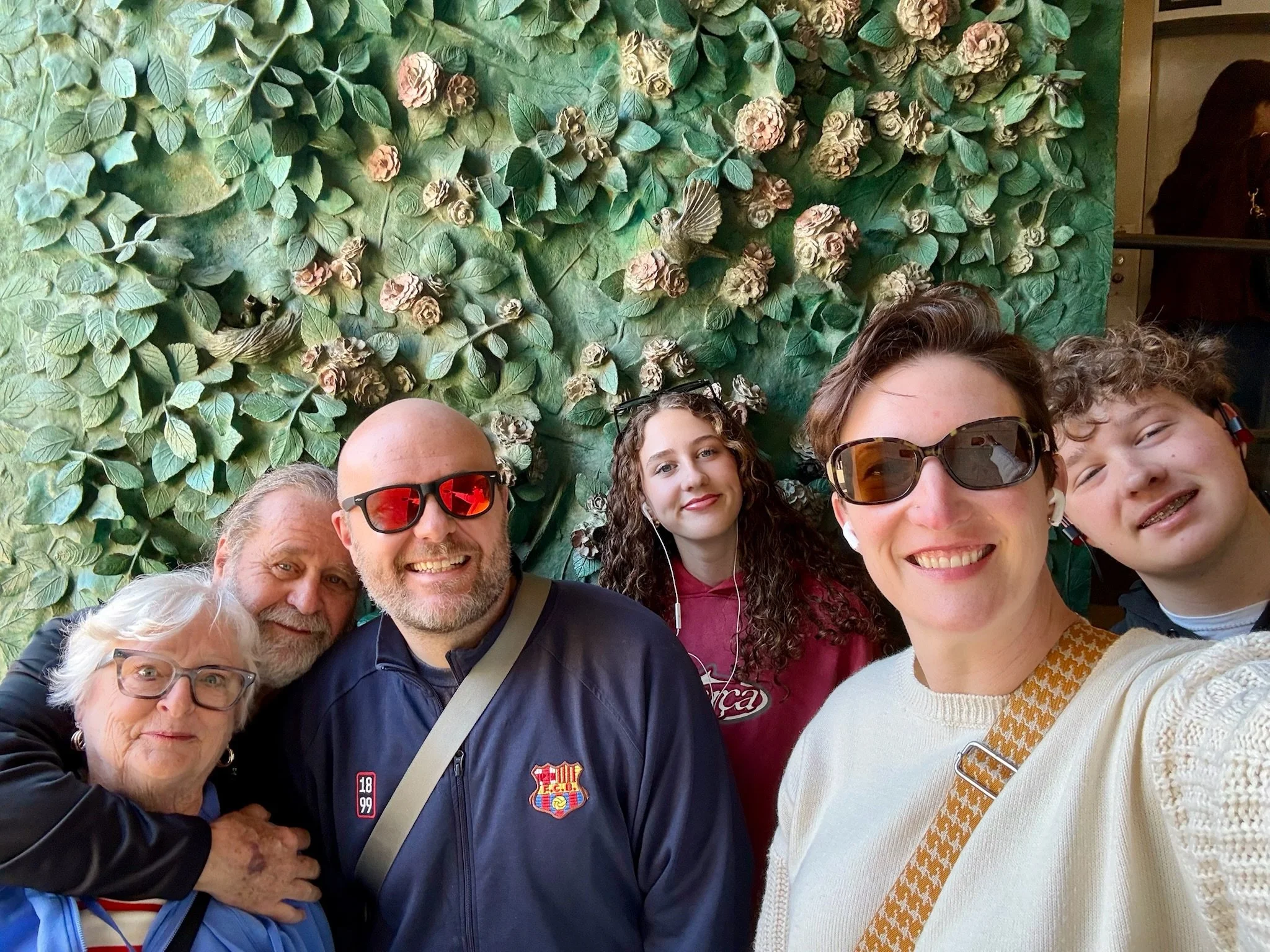
Our group walked into Barcelona with a travel planner's nightmare on paper: three generations — teenagers, parents, and grandparents — with a wish list that ranged from Gaudí to football to Mediterranean beaches to medieval history.
One week later, everyone had their trip.
That's the gift of Barcelona, and it's rarer than you think. The city doesn't make you choose. It doesn't ask a seventy-two-year-old to keep up with a fifteen-year-old, or the parents in the middle to pick sides. It just keeps offering — across neighborhoods, across time, across the kind of experiences that matter to every version of a traveler in your family.
A Trip With Everything
Barcelona arrives with an impossible gift: everything. Medieval streets that feel ancient. A grid of innovation from the late 1800s that still feels futuristic. Mountains high enough to quiet a group. Beaches where you can taste salt. A cathedral still under construction. A football stadium full of stories.
This is why Barcelona works for multigenerational travel. Not because it has "something for everyone" — lots of cities claim that. But because Barcelona doesn't make you choose between things. You can wake up in Ciutat Vella among medieval stone and spend dinner watching the sun hit the Mediterranean from a boardwalk restaurant. You can stand inside Gaudí's Sagrada Família and then stand on a mountain where the air feels sacred, within the same day.
For a family with different ages, different interests, different versions of "what adventure means," that flexibility changes everything.
A City With Different Personalities
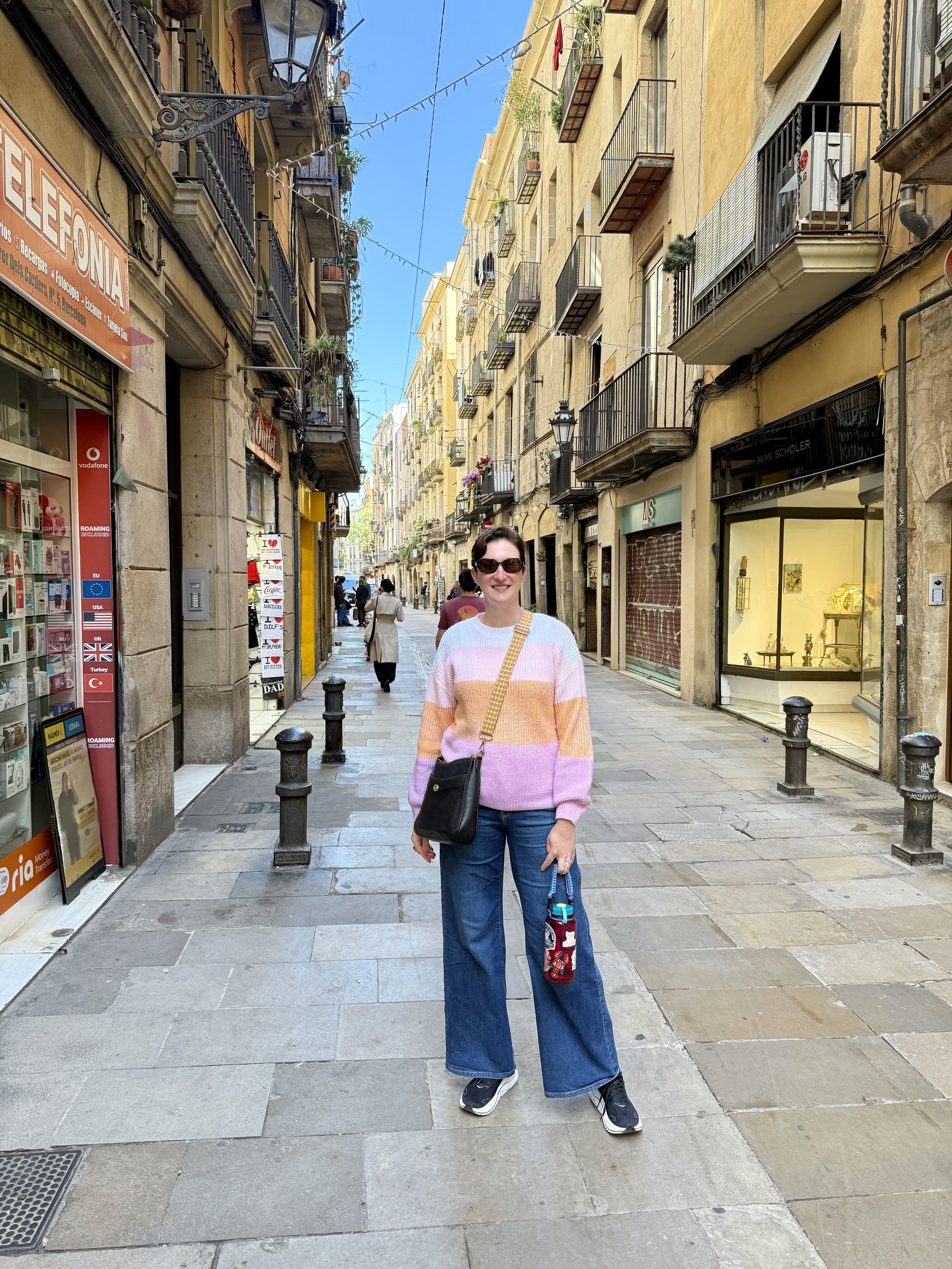
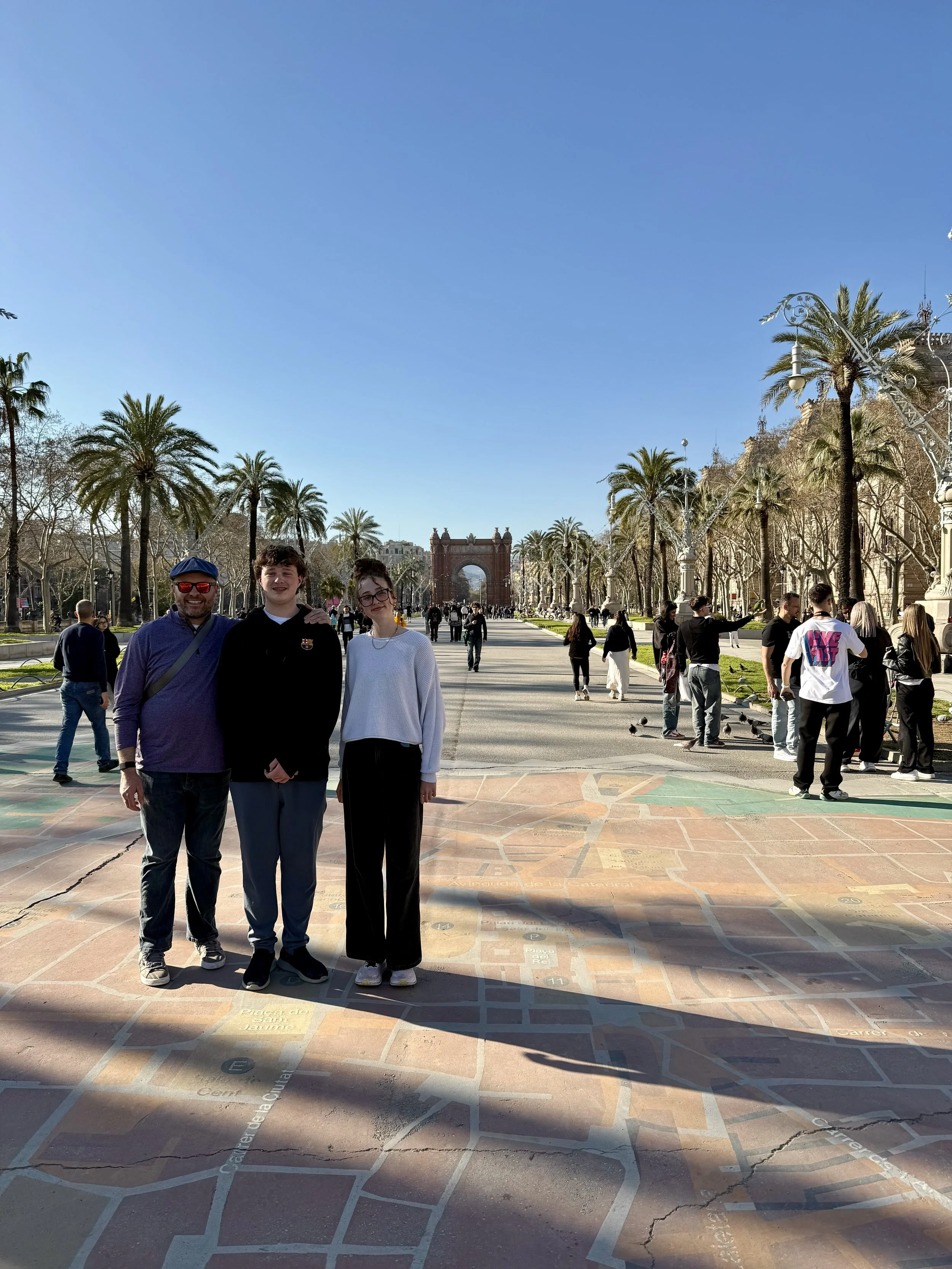
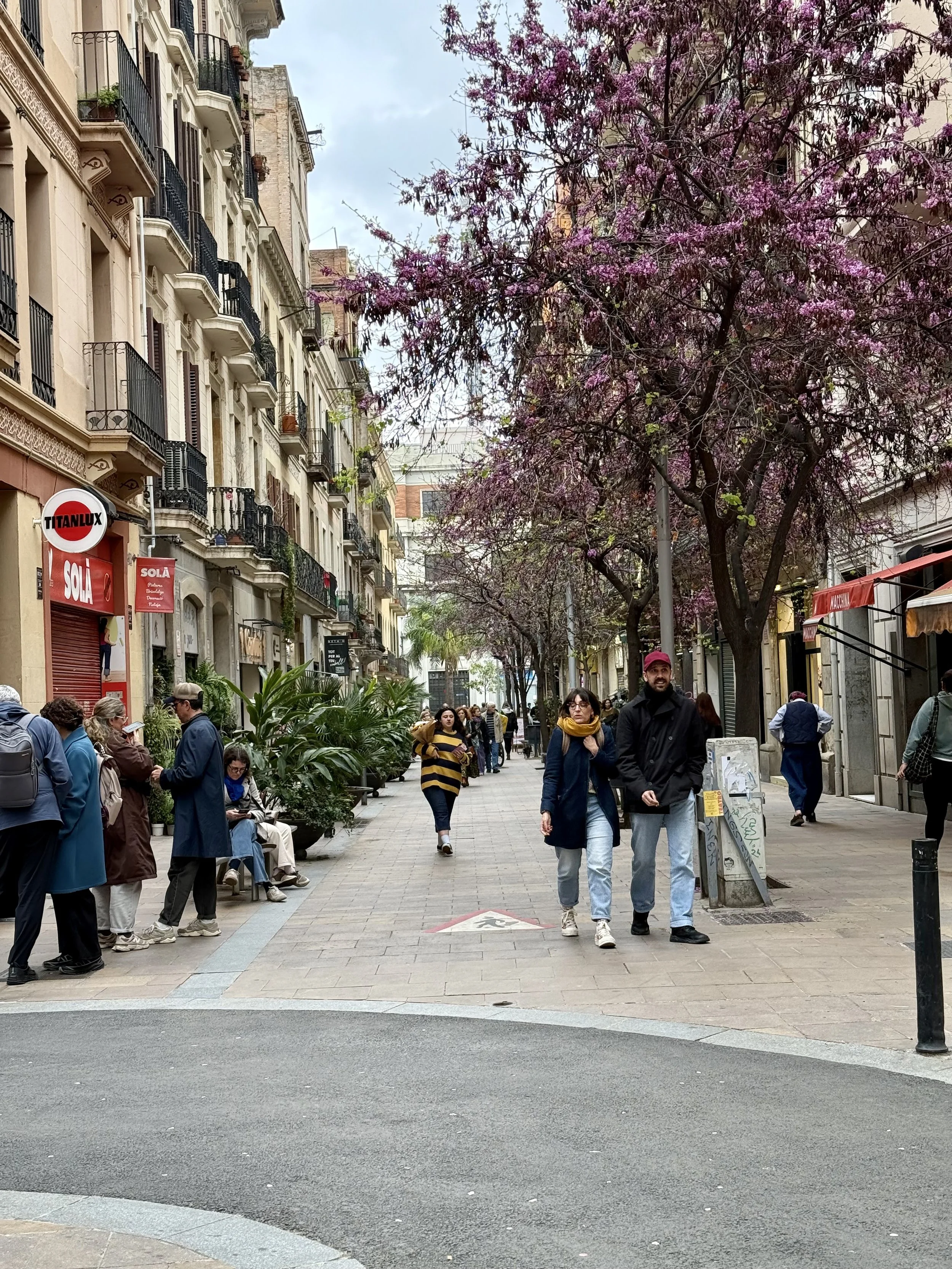
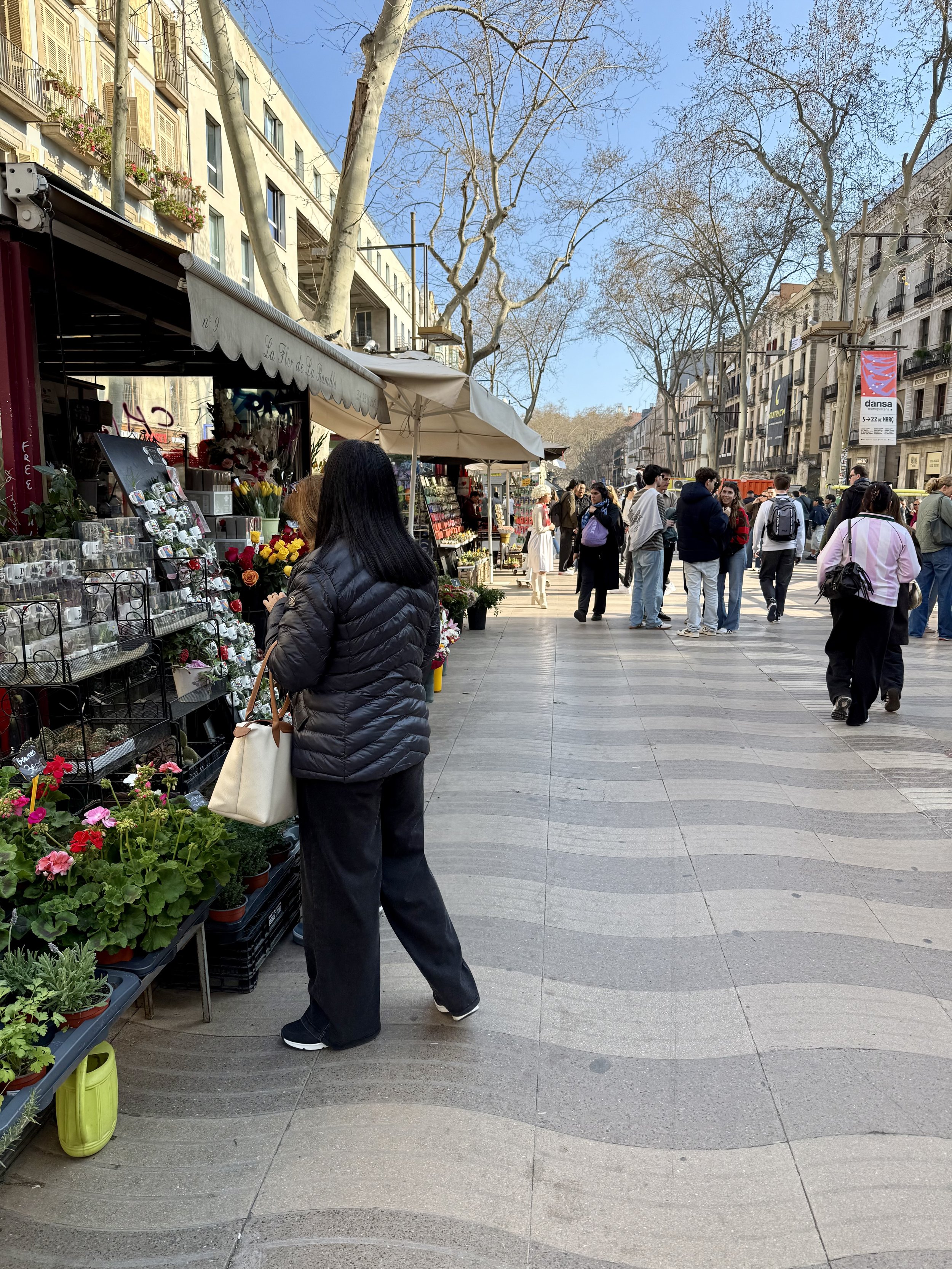
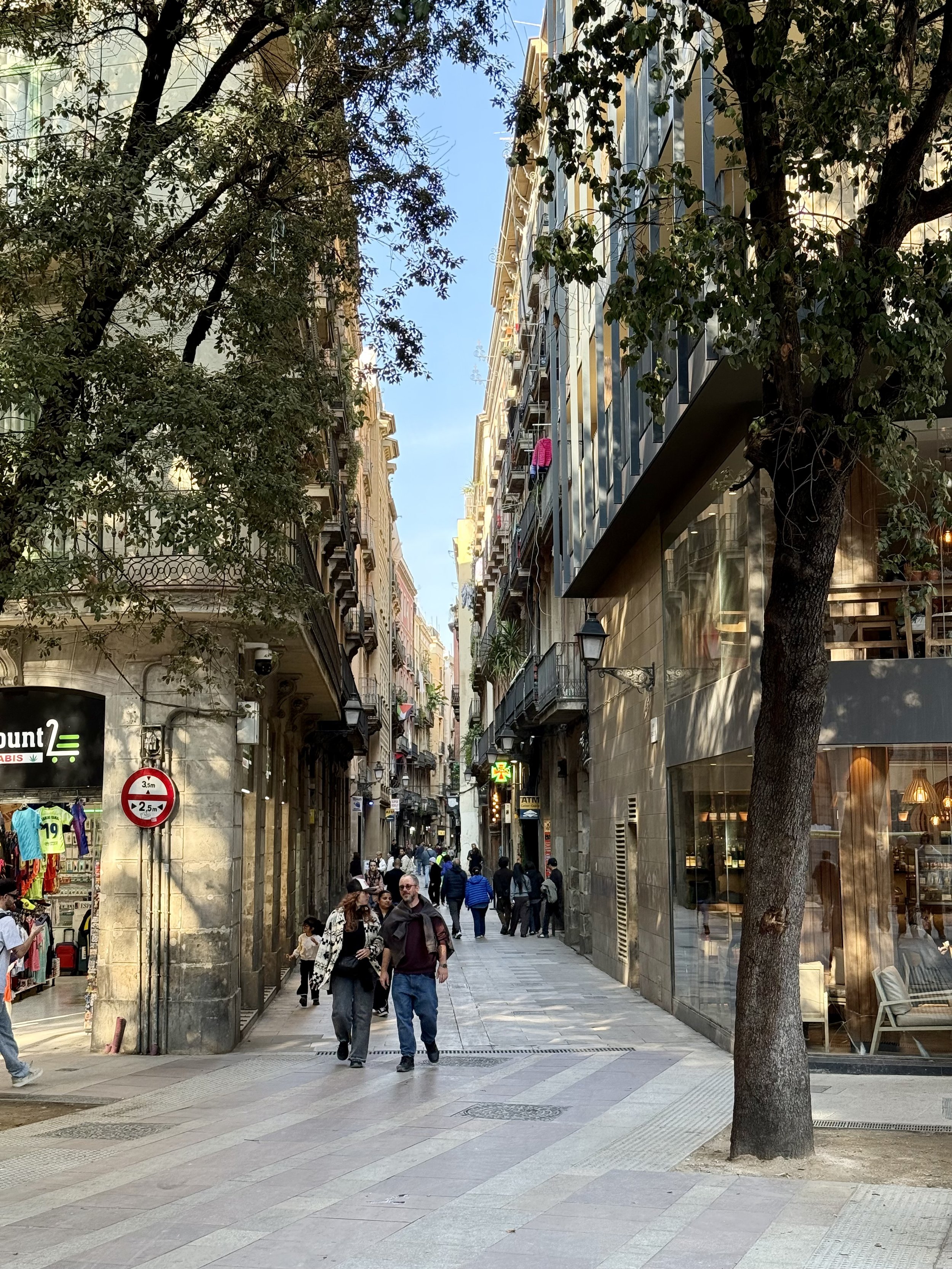
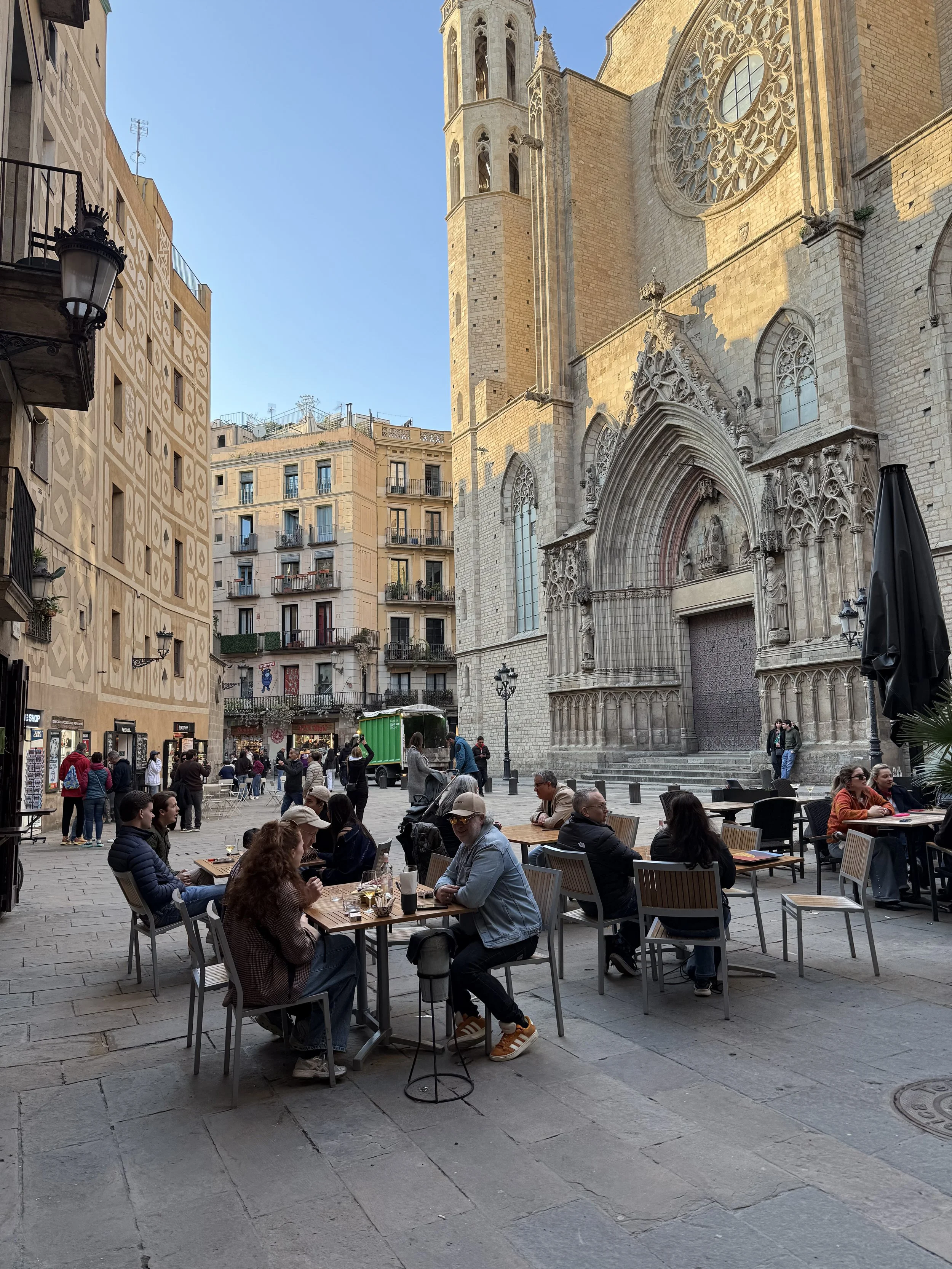
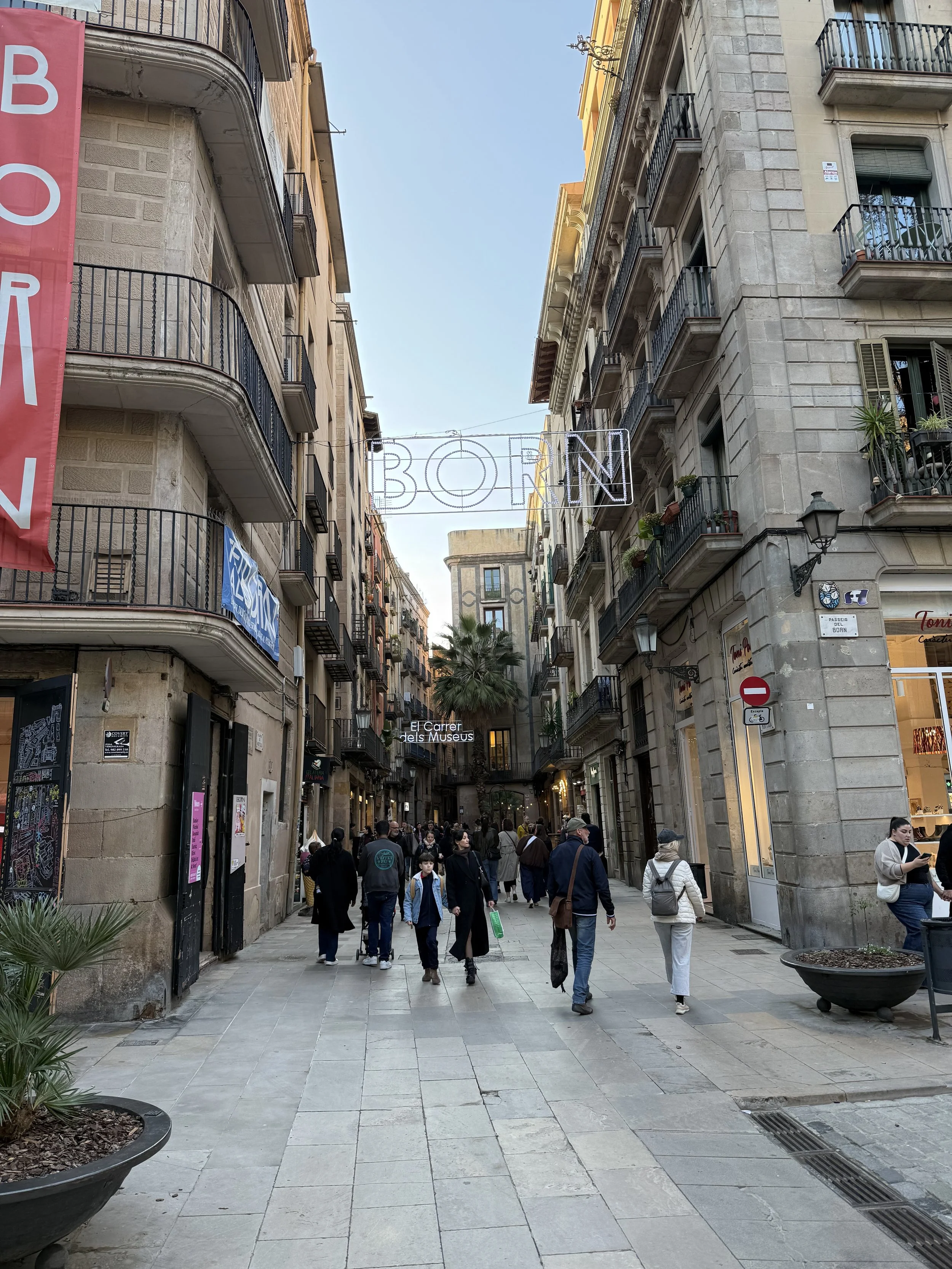
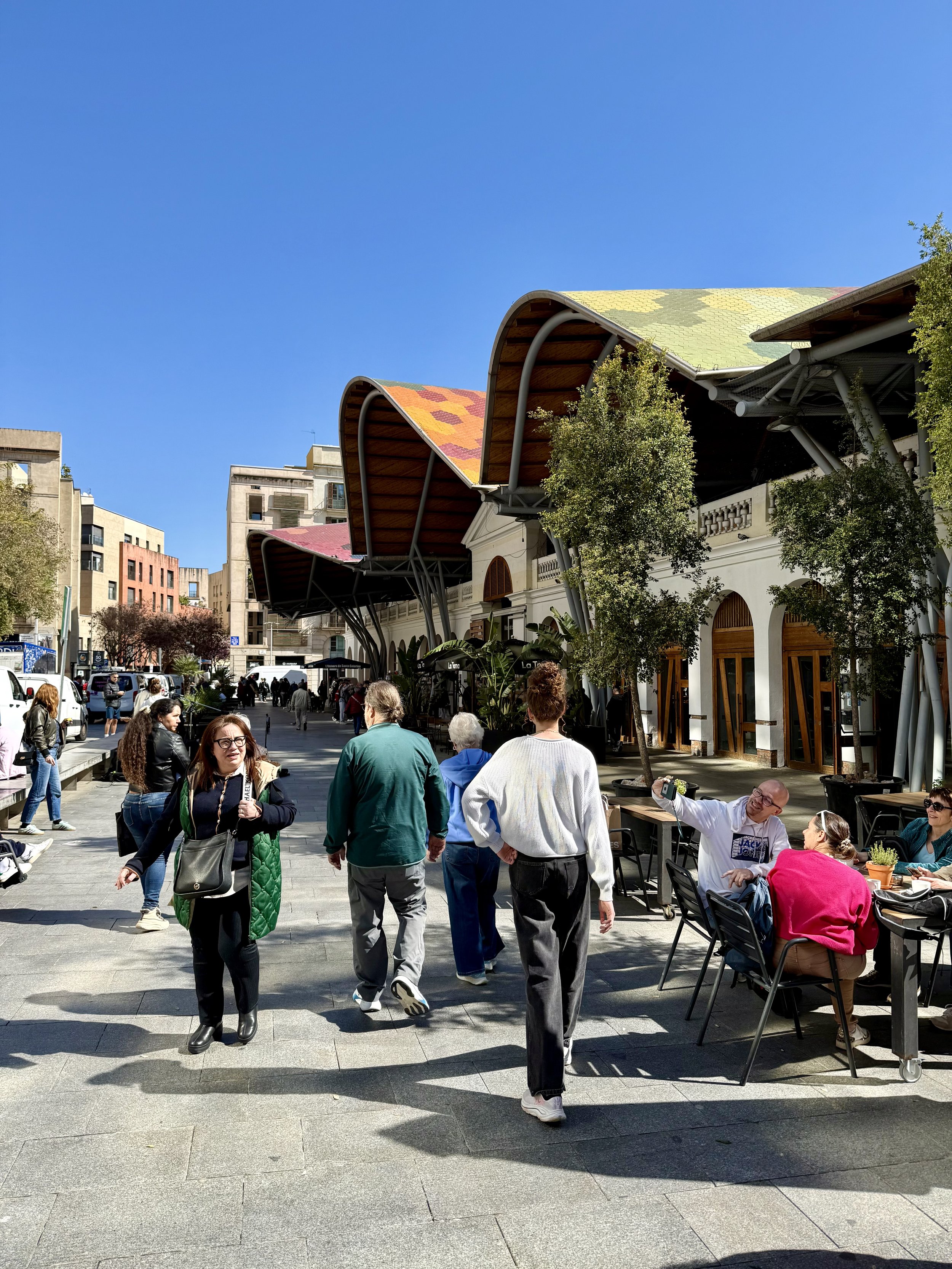
The first thing we learned: Barcelona is not one city. It's a collection of distinct neighborhoods, each with its own personality and pull.
Ciutat Vella is the Barcelona of history. Medieval streets so narrow that you have to turn sideways to let someone pass. The architecture does the talking — Gothic windows, ancient stone, a layered sense that real people have lived in these exact buildings for centuries. Walking the Ramblas is an exercise in how differently people move through the same space: some rushing forward, eager to reach the waterfront; others stopping at every corner, asking questions, wanting to understand.
That's the first secret: Barcelona doesn't judge how you're experiencing it.
El Born is newer in feeling, though equally old in years. Here, art galleries sit next to tapas bars. The Museum of Catalan History lives in a medieval fortress. The neighborhood has a different rhythm than Ciutat Vella — more galleries, more design shops, the sense that creative people have claimed this space and remade it in their own image. We had dinner at Tapeo Born the first night, and someone mentioned they'd saved this spot from an Instagram photo six months ago. They were finally standing in front of the real place. That moment — of experiencing something you've only dreamed about — happens more often in Barcelona than most cities. And when you're traveling with others, you notice that different people are having that moment in different locations. The teenager saved a photo of one gallery. The older traveler was thinking about a neighborhood from a visit twenty-two years before. Both are chasing the same feeling: a place they've carried in their imagination finally becoming real.
The Eixample is Barcelona's grid of ambition. When the city expanded in the late 1800s, architects and designers approached it like a chance to reimagine urbanity. Gaudí's modernisme becomes the neighborhood's heartbeat. Casa Batlló doesn't announce itself or explain itself — it just is, with curves where you expect straight lines, colors that shouldn't work together but do, a philosophy of design that asks "what if you designed a building like composing music?"
Walking through the Eixample with a group of different ages, you notice something: people with architectural training see one thing, people with no background in design see something completely different, and both experiences are equally valid and equally moving. Some people stood in front of Casa Batlló for thirty minutes, turning the moment over in their minds. Others took photos and moved on. The building held everyone.
This is what Barcelona gives you: room for your version.
The Art That Makes Architecture
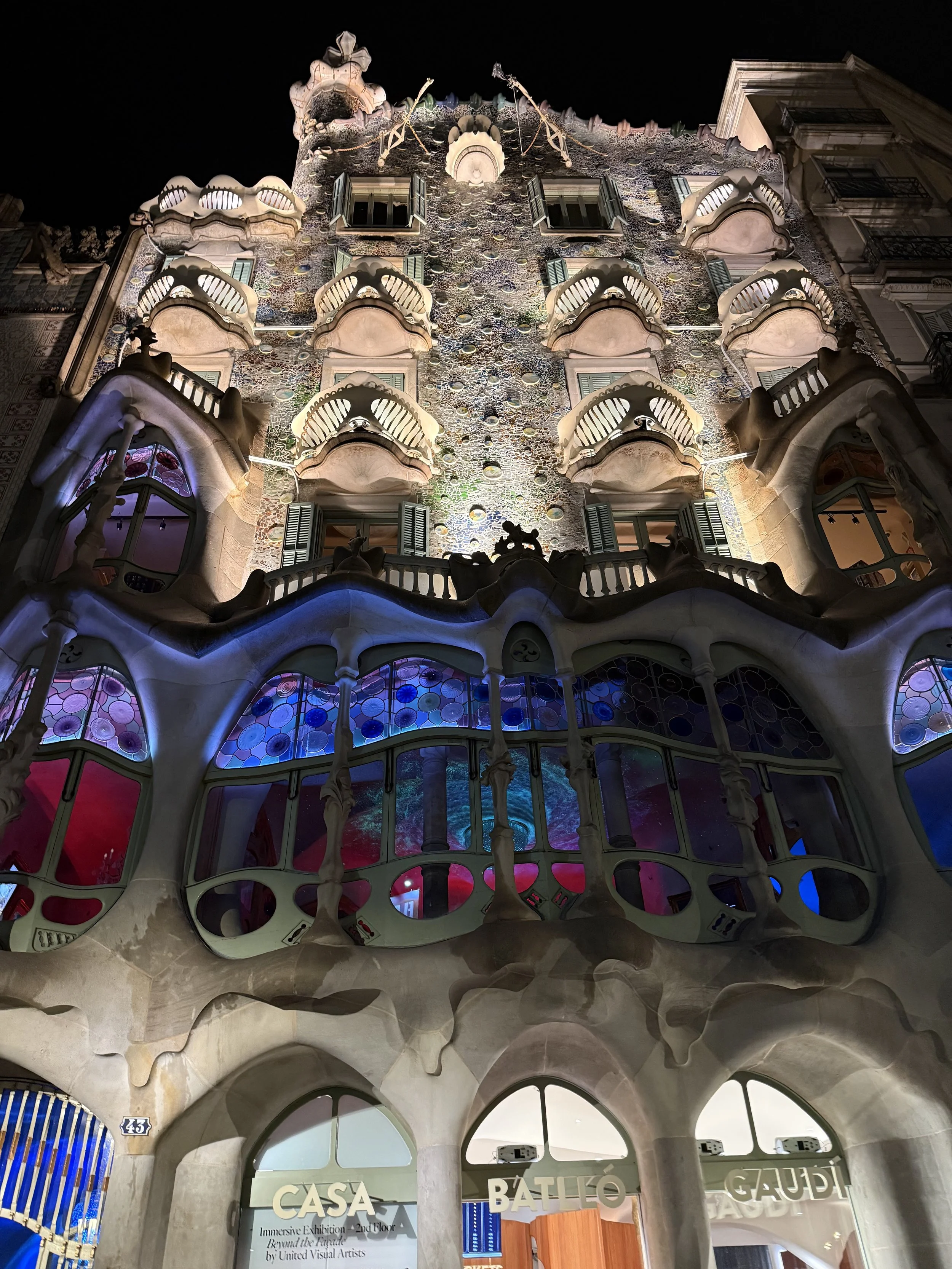
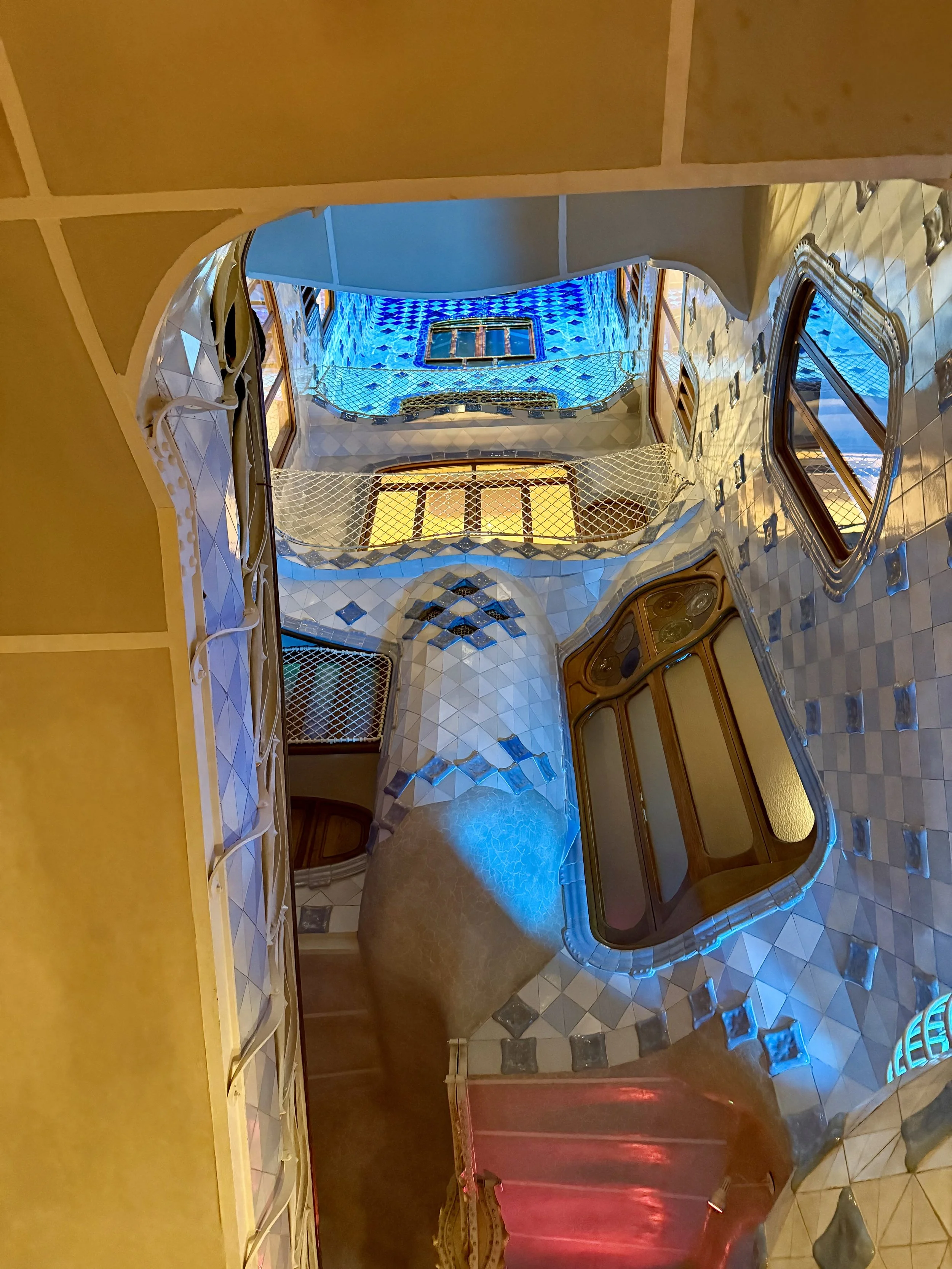
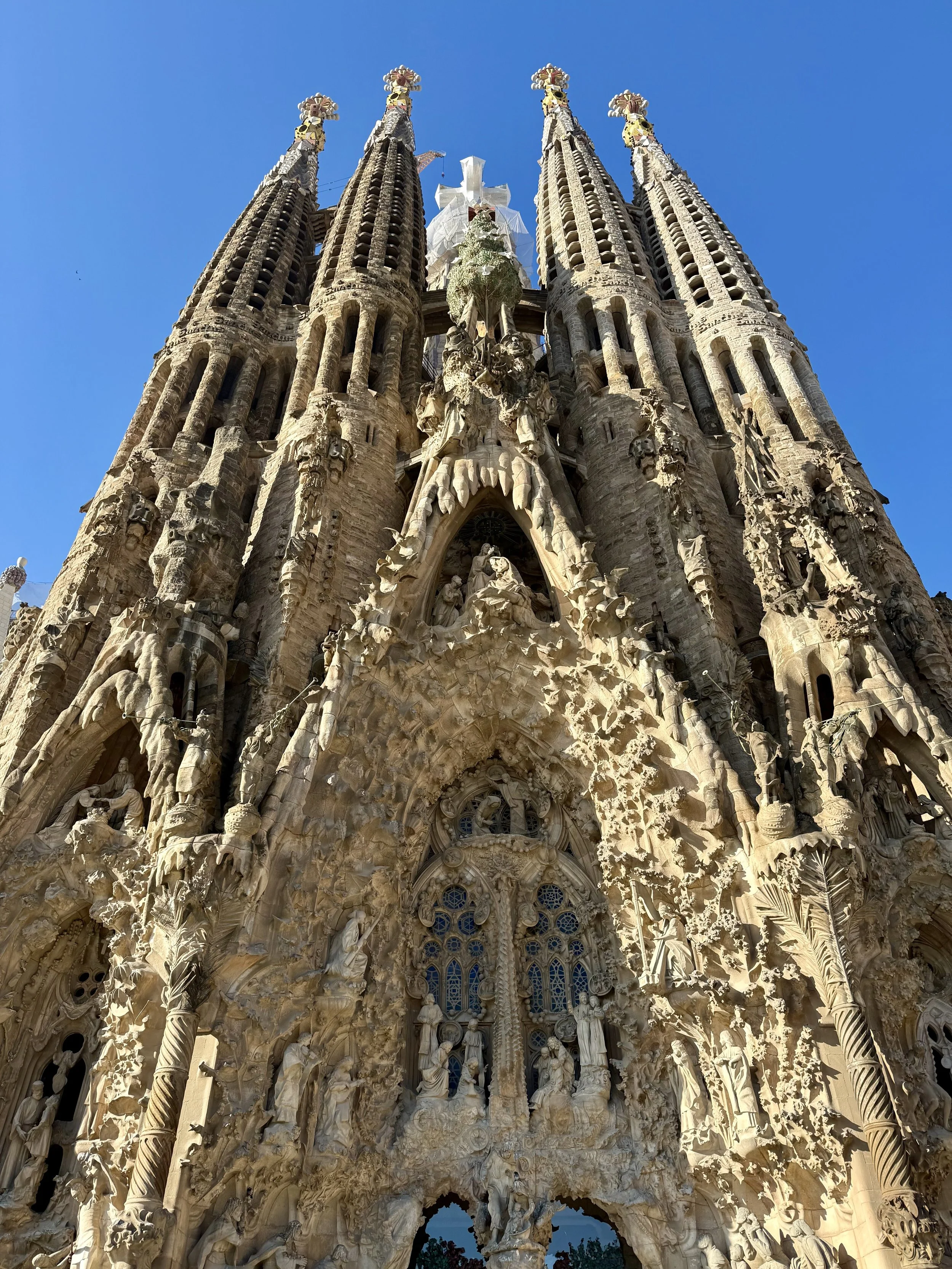
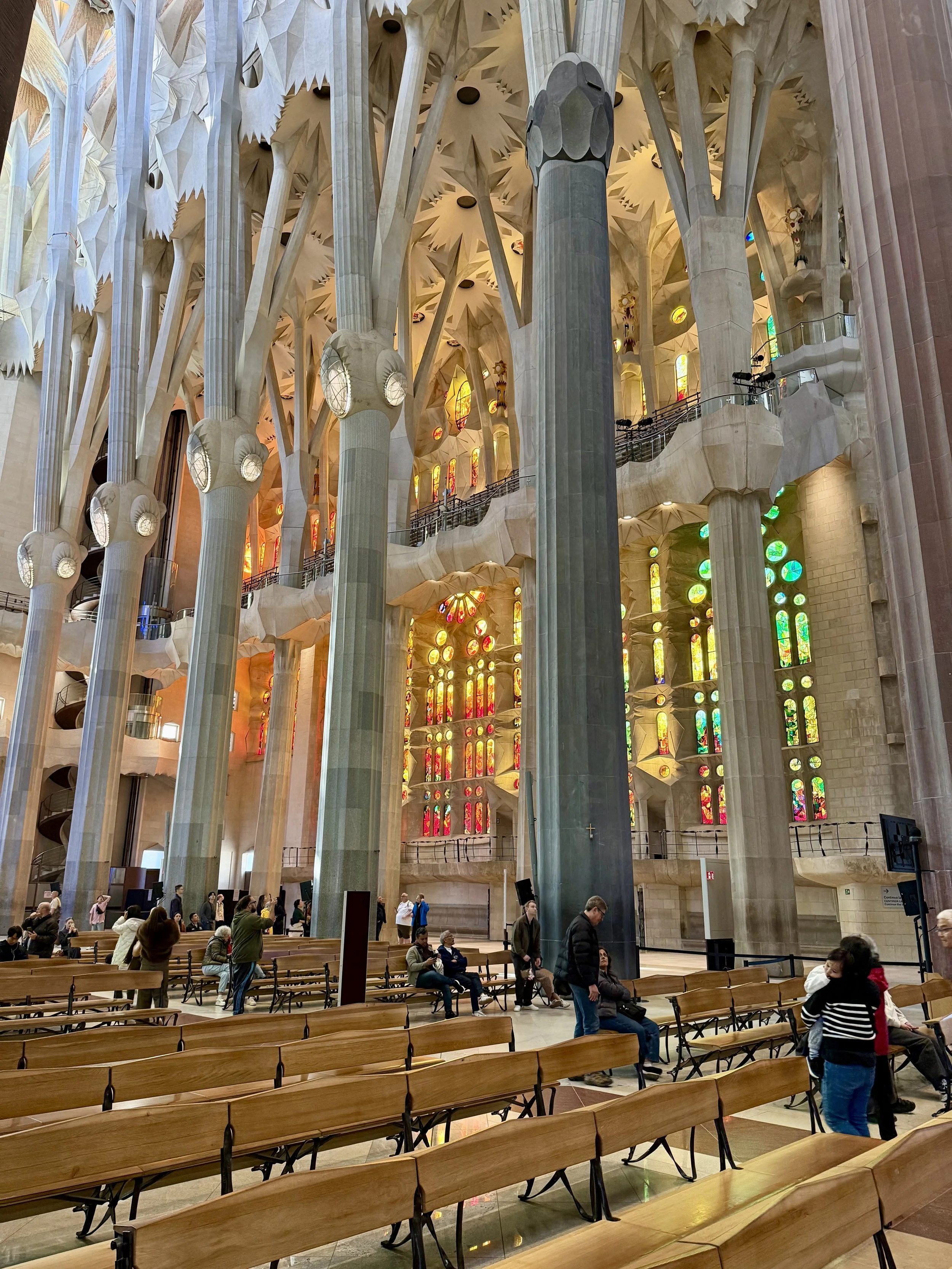
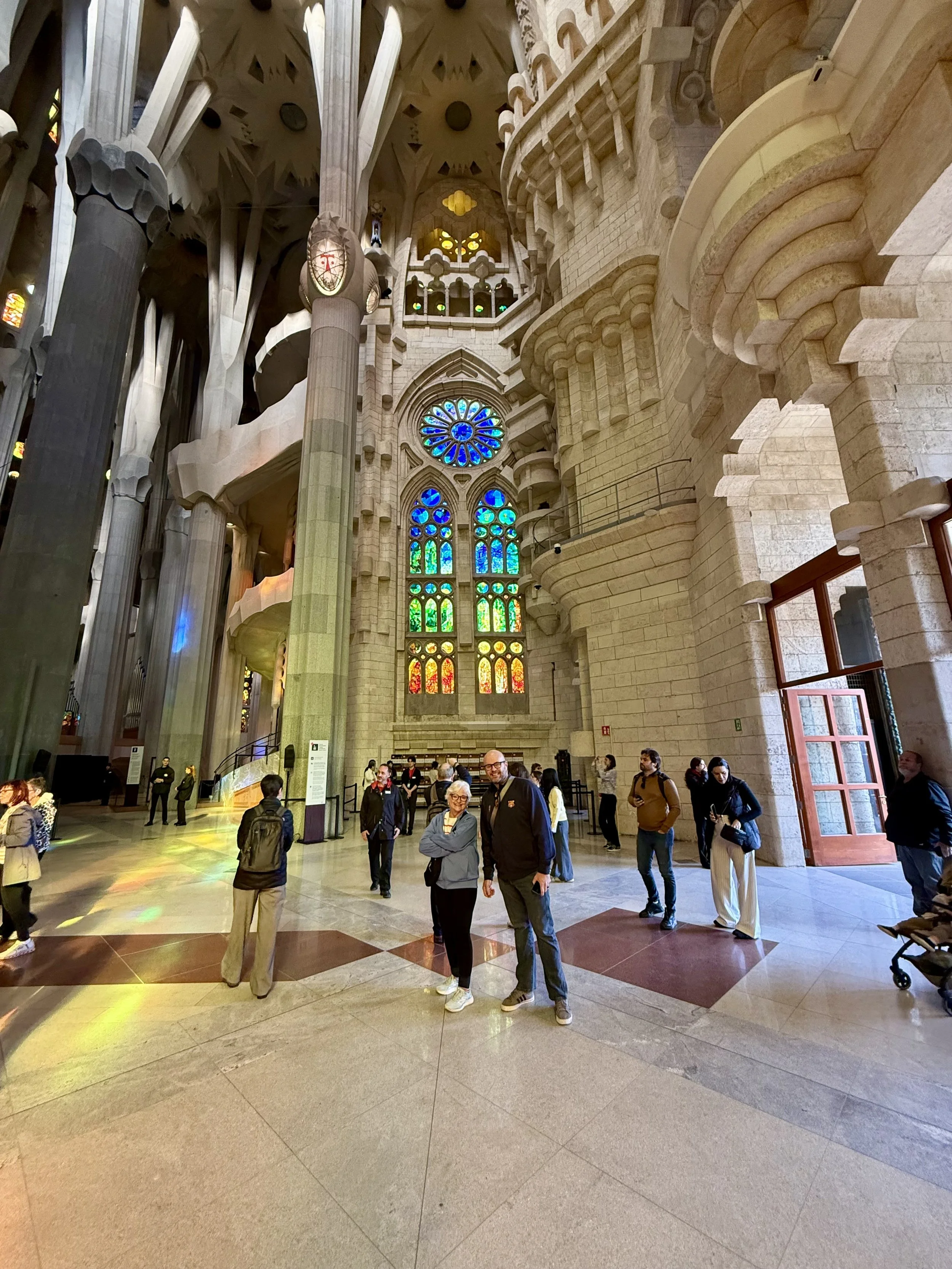
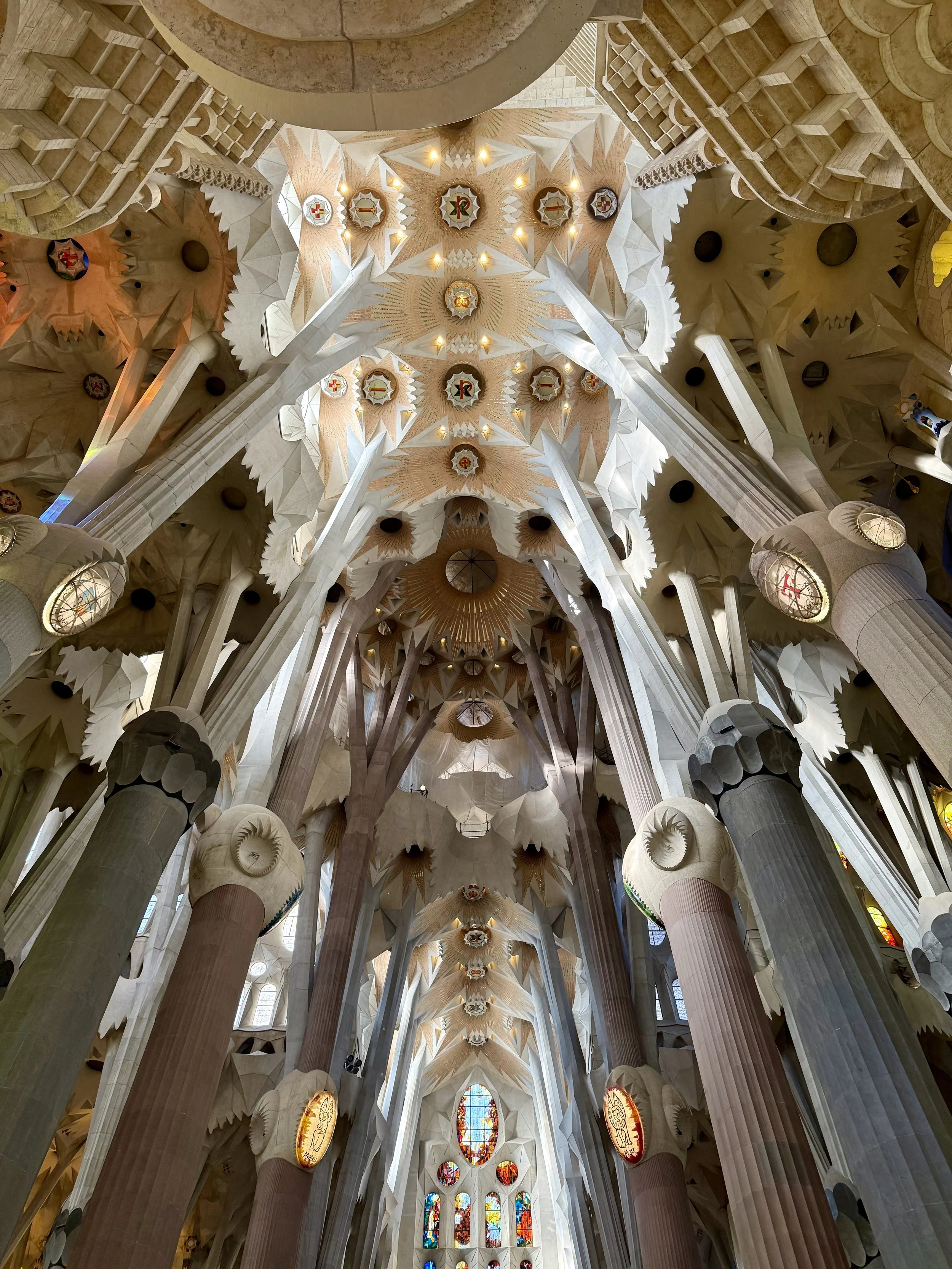
A day with Gaudí is the moment we realized something essential: great architecture speaks differently to different people, and Barcelona is built on the acceptance of that.
Casa Batlló in the morning. The building doesn't explain itself. You look at those balconies and they're either skulls or whimsy or nature or obsession, depending on who's looking. The curves don't follow rules — they follow music. The colors shouldn't work, but they do. People stand in front of this building debating what Gaudí meant, whether the form follows function or function follows madness. The conversations that happen here are proof that beauty doesn't need everyone to understand it the same way.
Then Sagrada Família in the afternoon. A cathedral that's been under construction since 1882 and is still rising. Gaudí worked on it for forty-three years and left behind drawings and models for the rest. Generations of craftspeople have been completing his vision ever since. Walking inside is what church-building must have felt like in the Middle Ages — the sense of being part of something longer than any one person.
Different people in our group saw different things. One person studied construction details, watching how the columns branch like trees. Another felt the spiritual weight and the scale. Someone photographed the light pouring through the stained glass. Someone else just stood there without needing to say anything.
When you're traveling with multiple generations and interests, this is exactly what you need. Permission. Permission for someone to engage with a building on their own terms. Permission for a monument to mean different things to different people. Permission for your version to be the right one.
Jump Into Subculture: GOOOOOOAAAAAAL
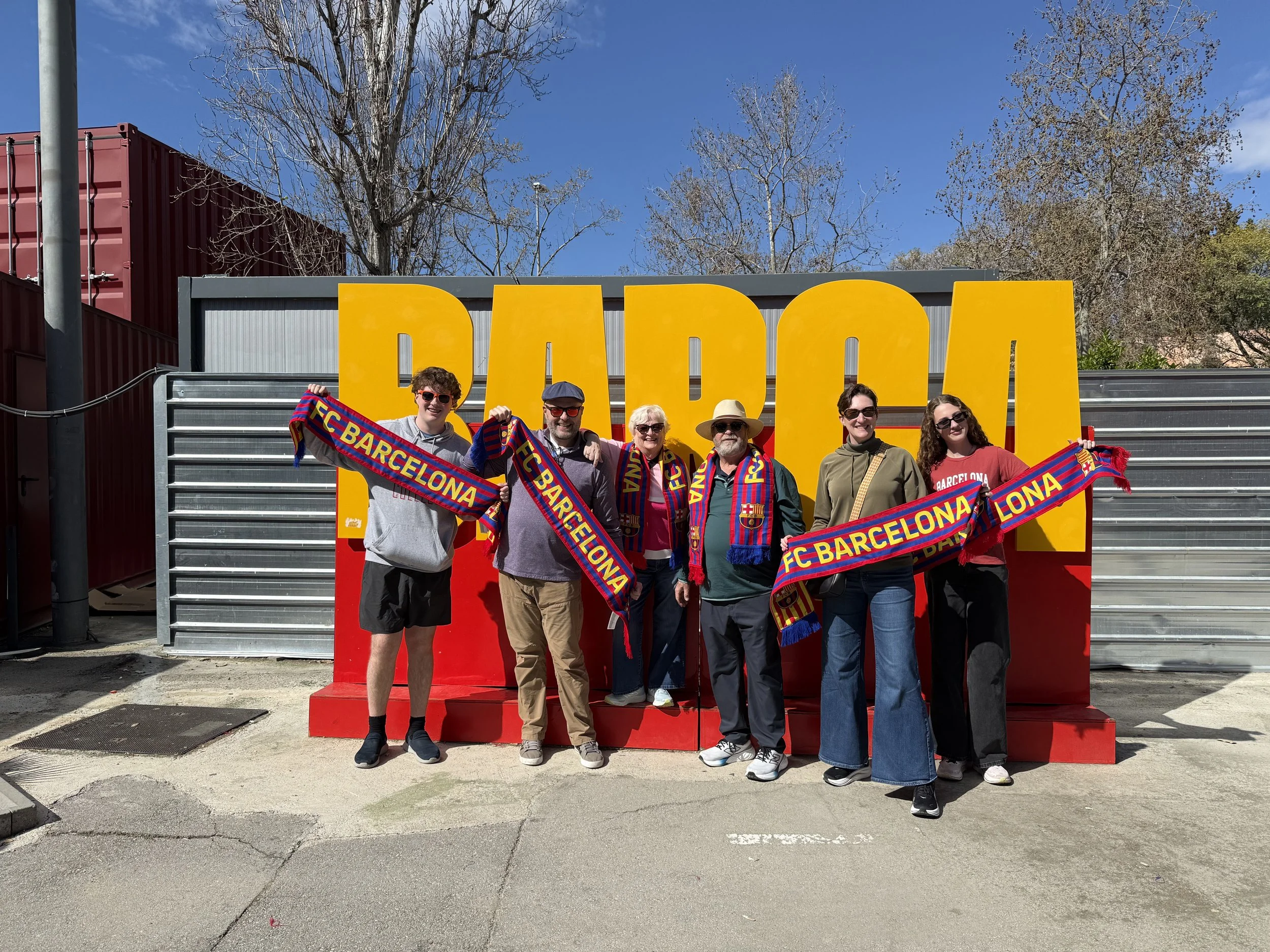
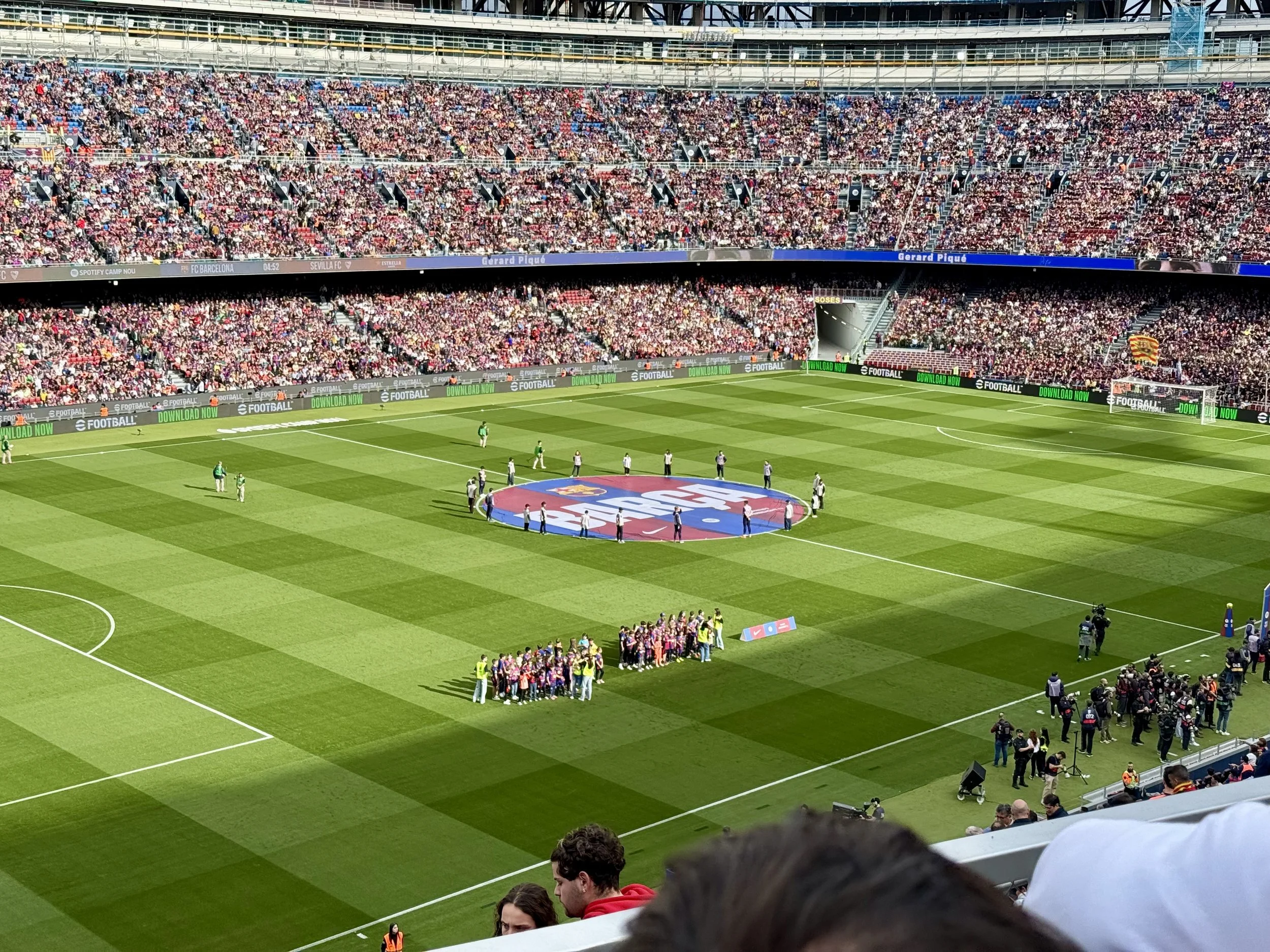
On Sunday morning, we walked into Spotify Stadium and walked out understanding what Barcelona is, at its core.
FC Barcelona vs. Sevilla. Different people in our group arrived with different expectations. Someone was a huge football fan who'd been looking forward to this since the trip was planned. Someone else was there out of curiosity. Someone was neutral, just hoping to understand what Barcelona cares about.
The energy wasn't something you could photograph. It was physical. The moment the teams took the pitch, the entire crowd shifted into a unified rhythm. You stop being a tourist and start being a participant. Your voice joins tens of thousands of others. Your heartbeat matches the stadium's heartbeat.
And here's the truth that the match revealed: everyone in our group understood. Different people, different reasons for being there, but the moment something magical happened on the pitch, we all felt it the same way. It's the language of sport — simple, universal, leaving no room for age or interest to matter.
You can't design this experience. You can only put yourself in position for it and let the city do the work.
Tucked Into the Mountains - Montserrat
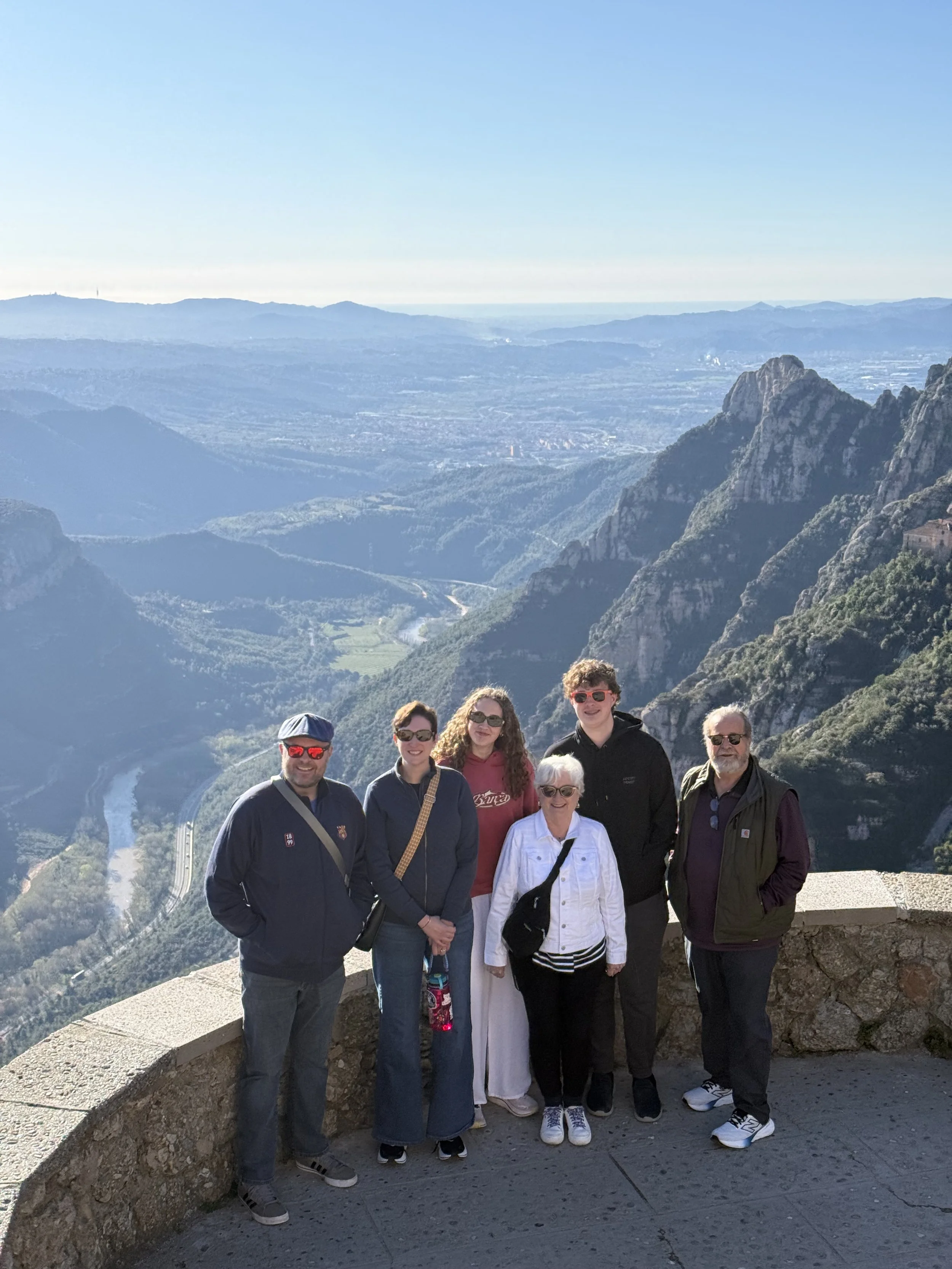
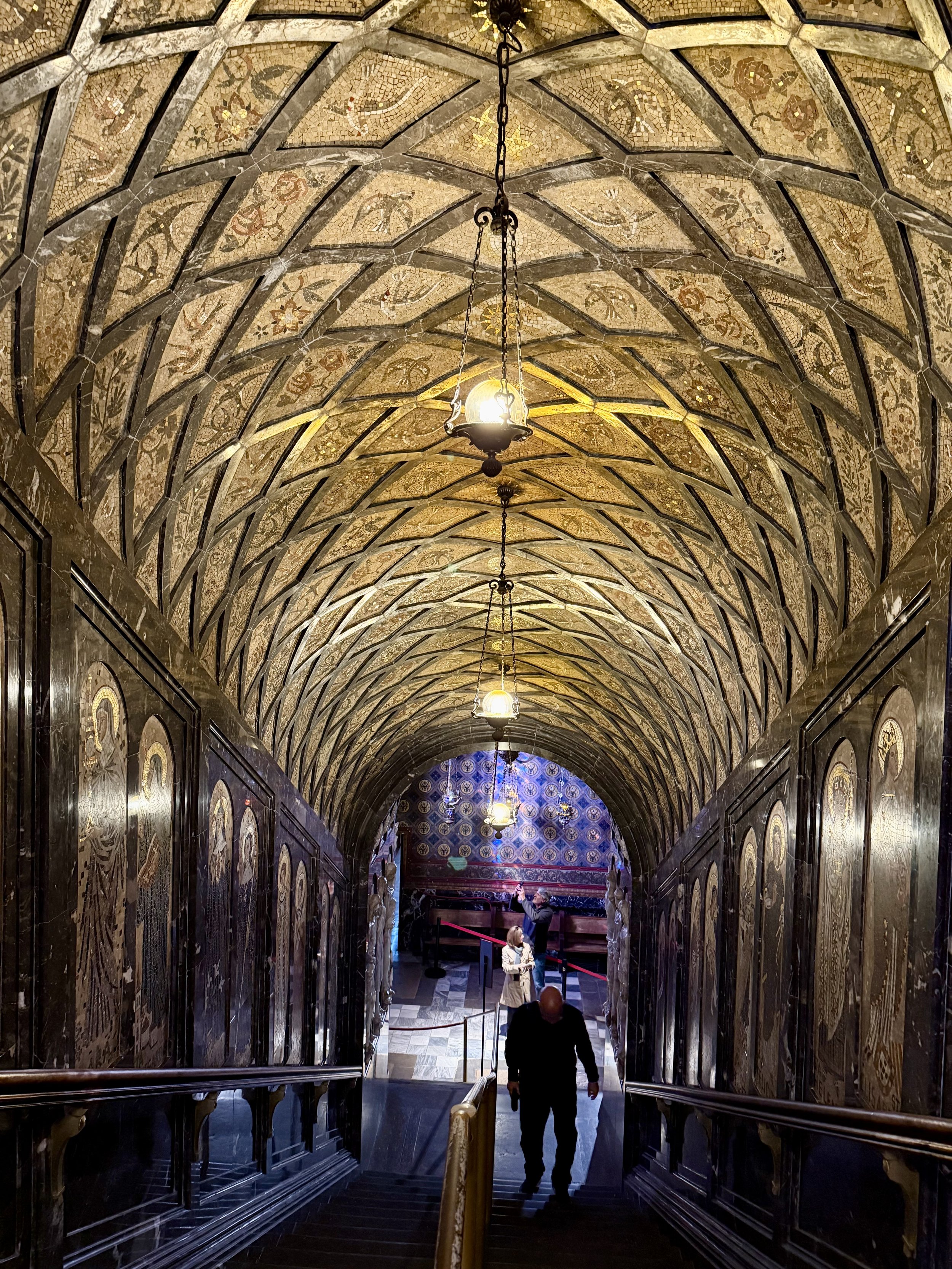
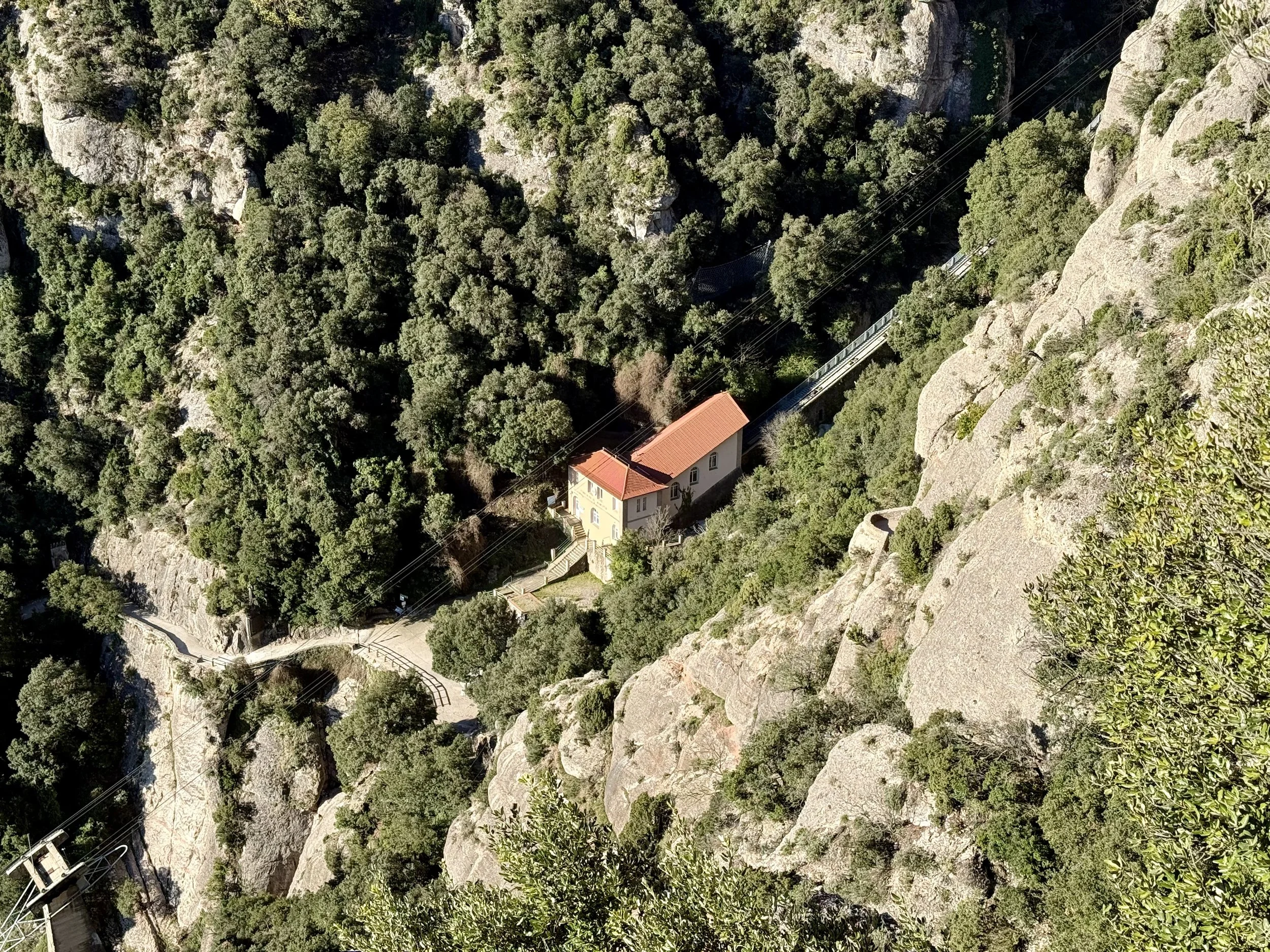
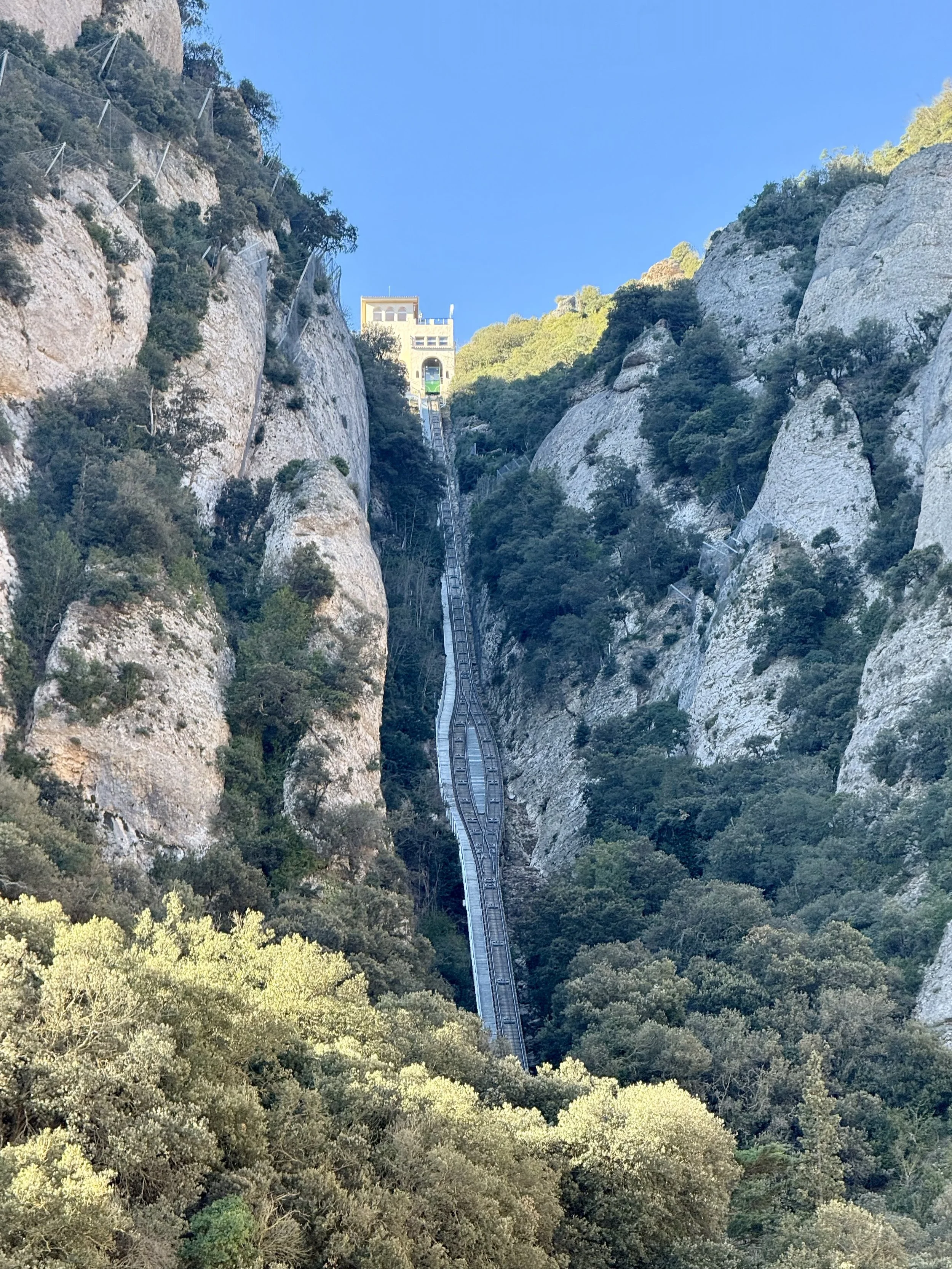
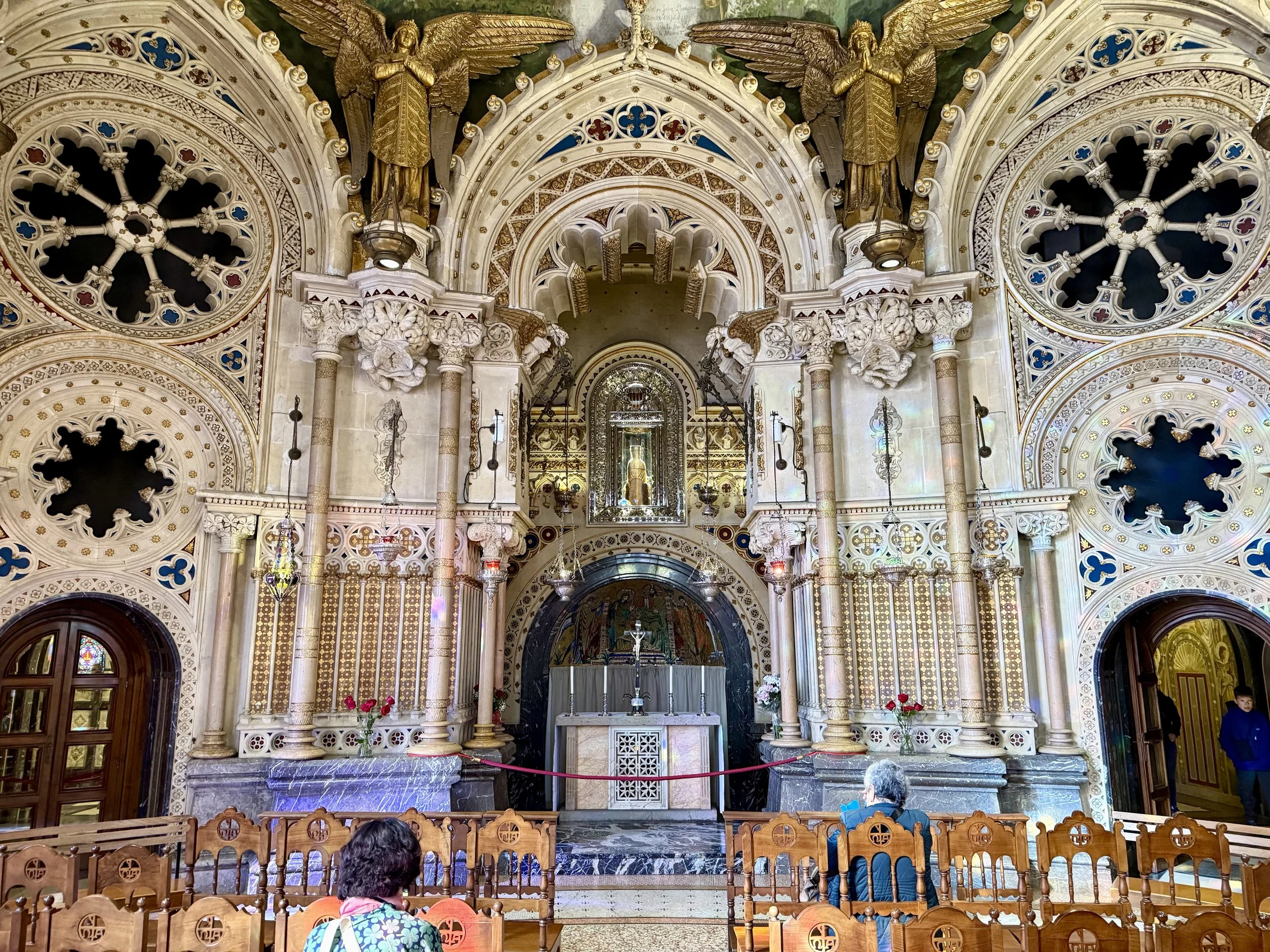
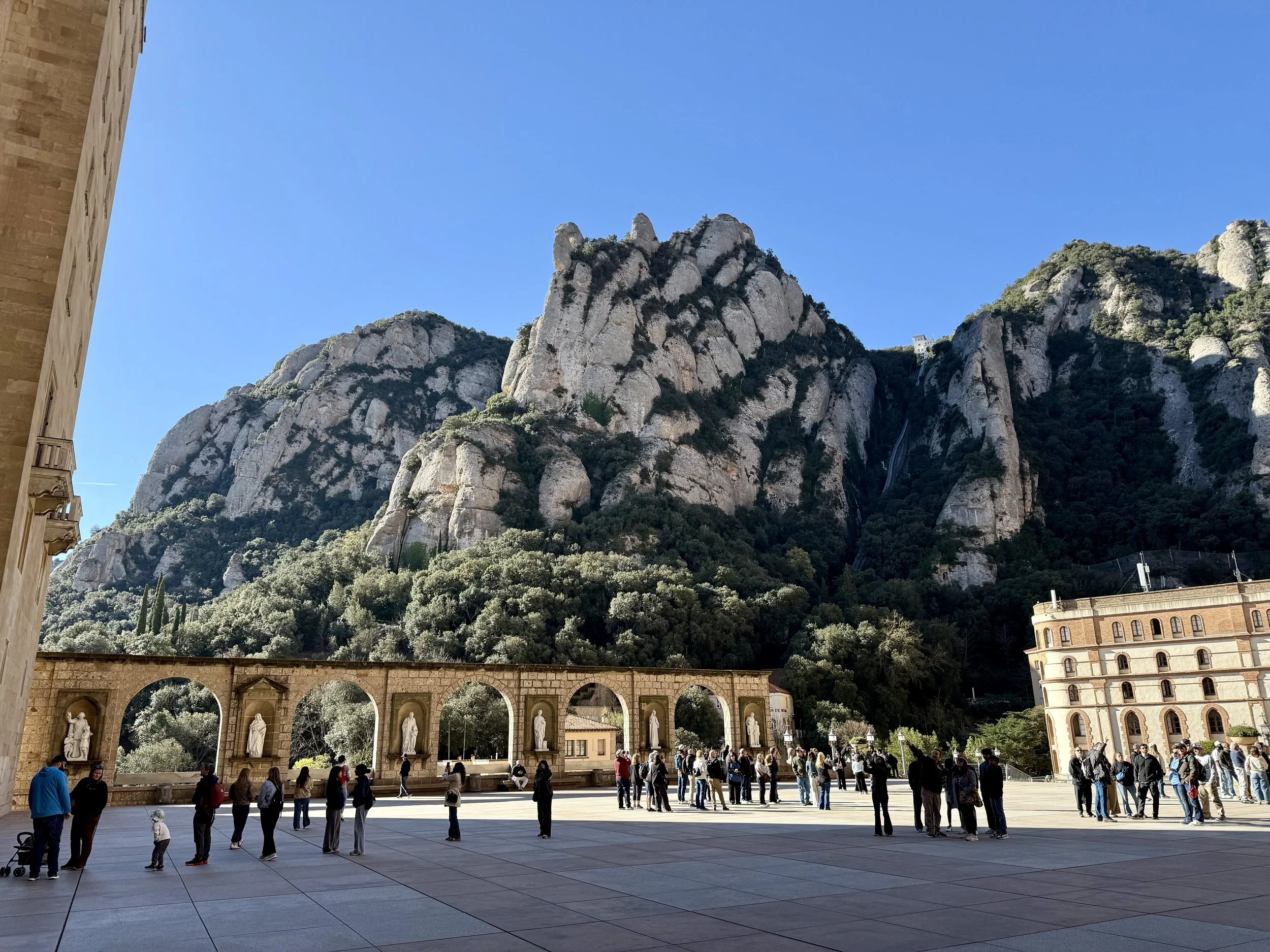
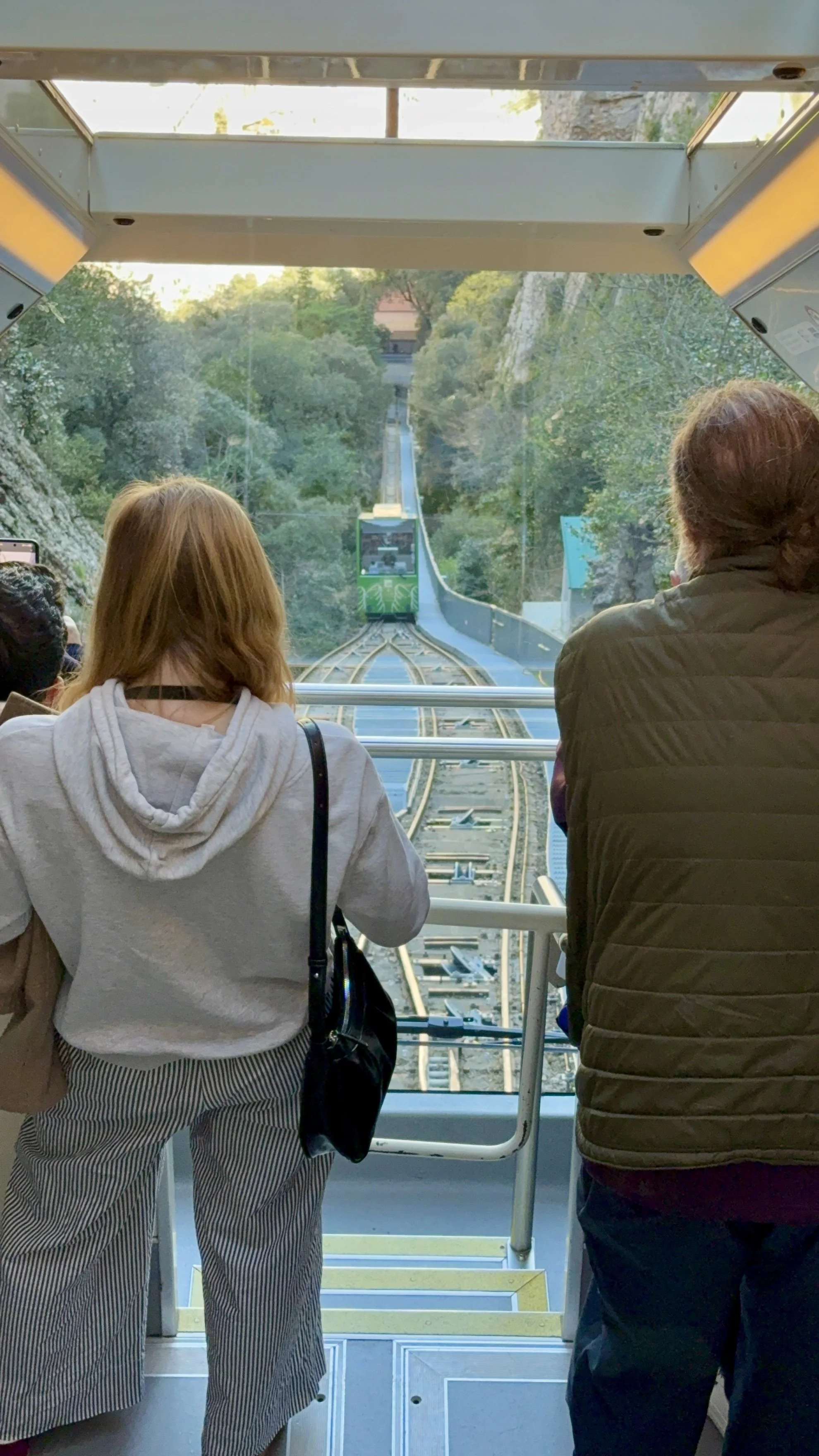
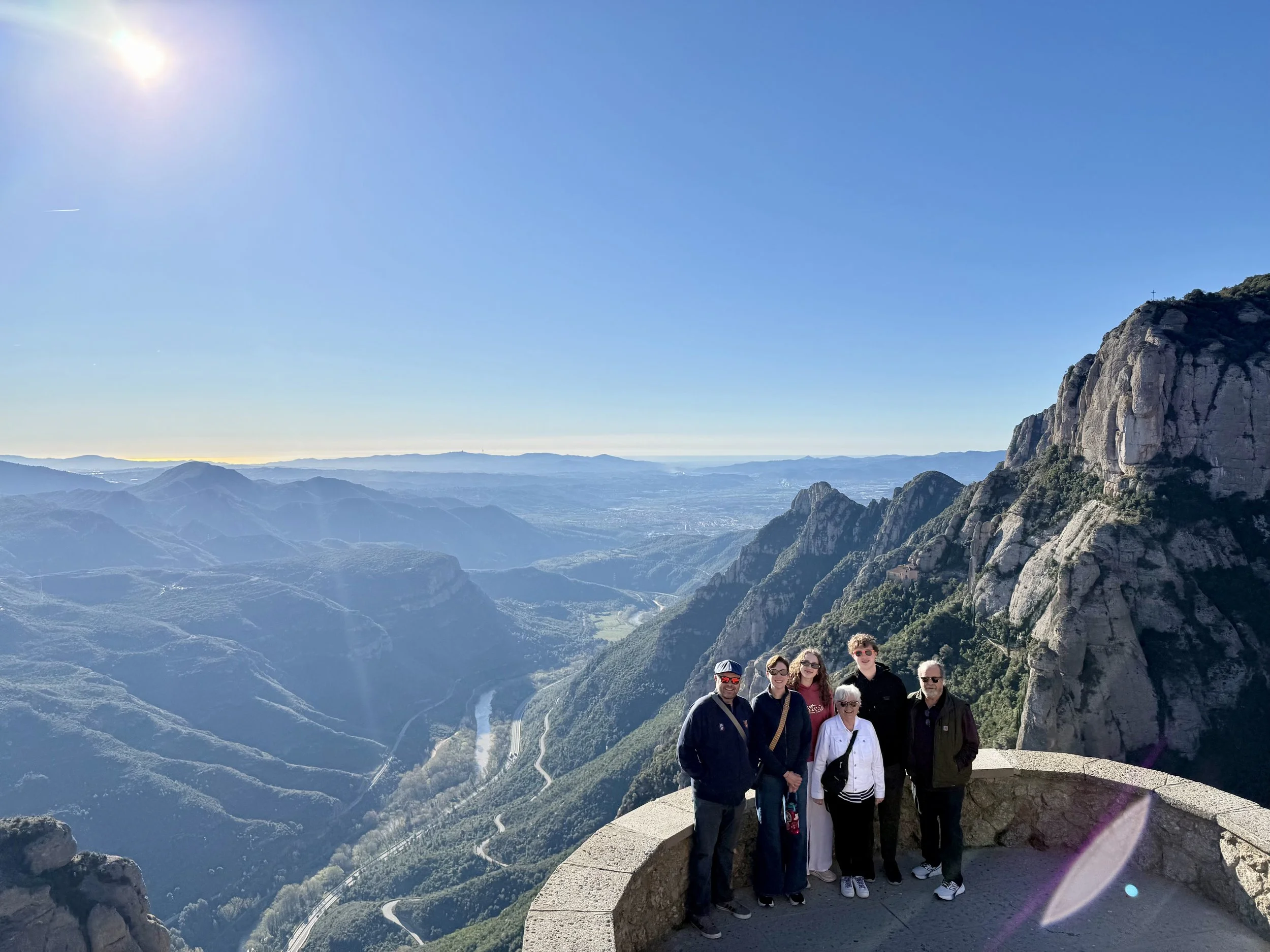
We left Barcelona at dawn, before the city woke up. The road climbs and something shifts — the air changes, literally, thinner and cleaner, altering what your body needs.
Montserrat is tucked into one of the strangest rock formations in Europe: serrated limestone spires that look pressed up from the earth by force. At the heart of them sits a thousand-year-old Benedictine monastery — still a working abbey, with monks, a basilica, a library, and a boys' school. The Escolania de Montserrat has been singing there since the 14th century, which makes it one of the oldest boys' choirs in Europe. If your timing is right, you can catch them singing the Salve and the Virolai in the basilica, and you will not forget it.
People come for La Moreneta — the Black Madonna — a twelfth-century Romanesque statue of the Virgin that has been drawing pilgrims here for eight hundred years. She's the Patron Saint of Catalonia, and there's a quiet ritual of standing in line, touching her orb, and lighting a candle for whoever you came here holding in mind.
Beyond the basilica, the mountain keeps going. Trails thread through the peaks and past hermitages cut into the rock. You can hike for an hour or for the whole day. You can take one of the funiculars higher up, or the cable car, and look out over Catalunya spread all the way to the sea.
And here's what we didn't expect: everyone quieted down. Not because anyone asked them to. The mountain demanded it, and we gave it. One person lit a candle. Another hiked until their lungs remembered what clean air feels like. Someone else just sat.
Here's what we learned: the best part of travel doesn't happen in cities. It happens in the spaces between — in a monastery tucked into stone, in a choir heard once and never forgotten, in the presence of something that has been sacred longer than anyone in your family has been alive.
Where Barcelona's Mediterranean Personality Comes Out
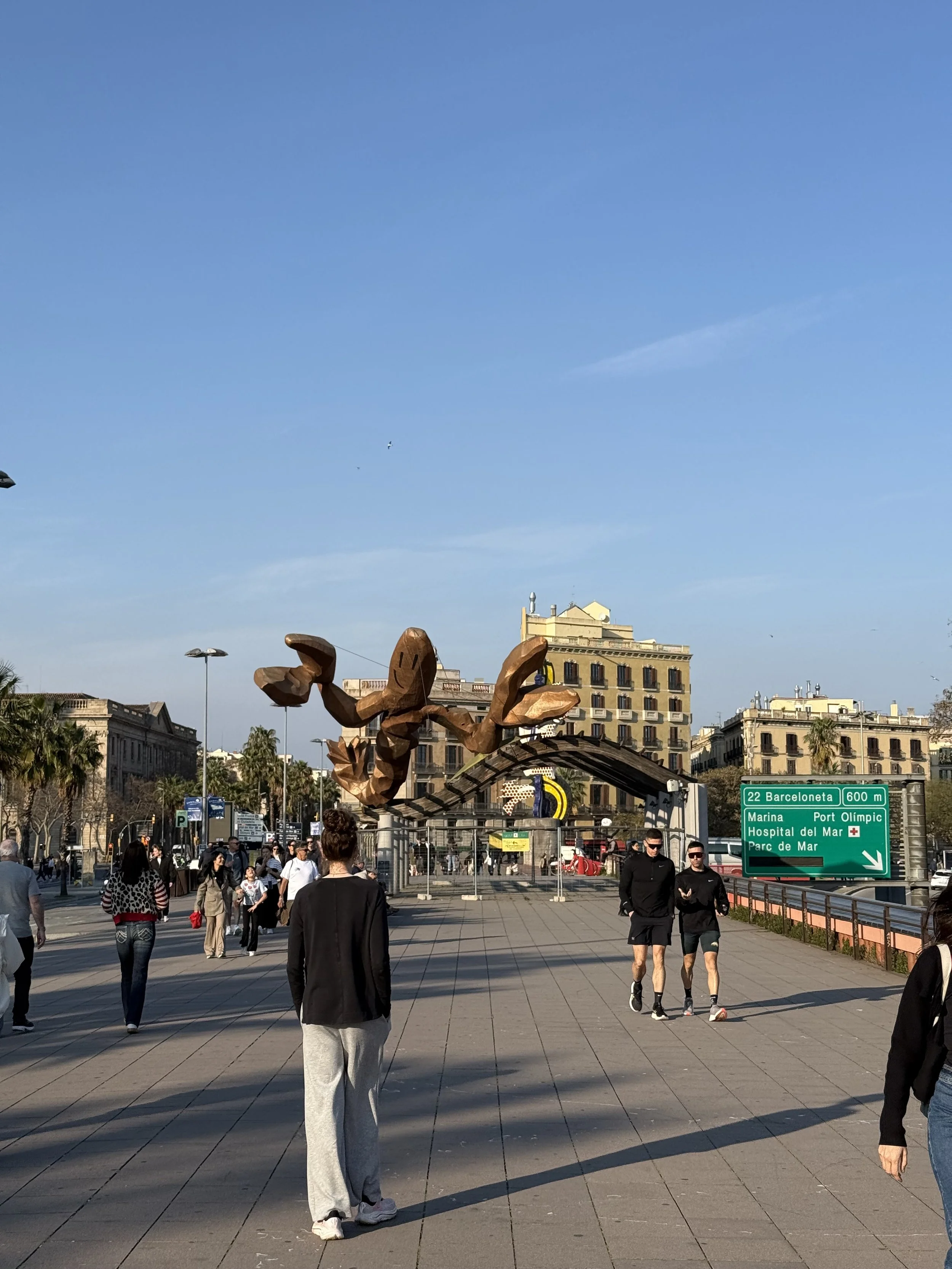
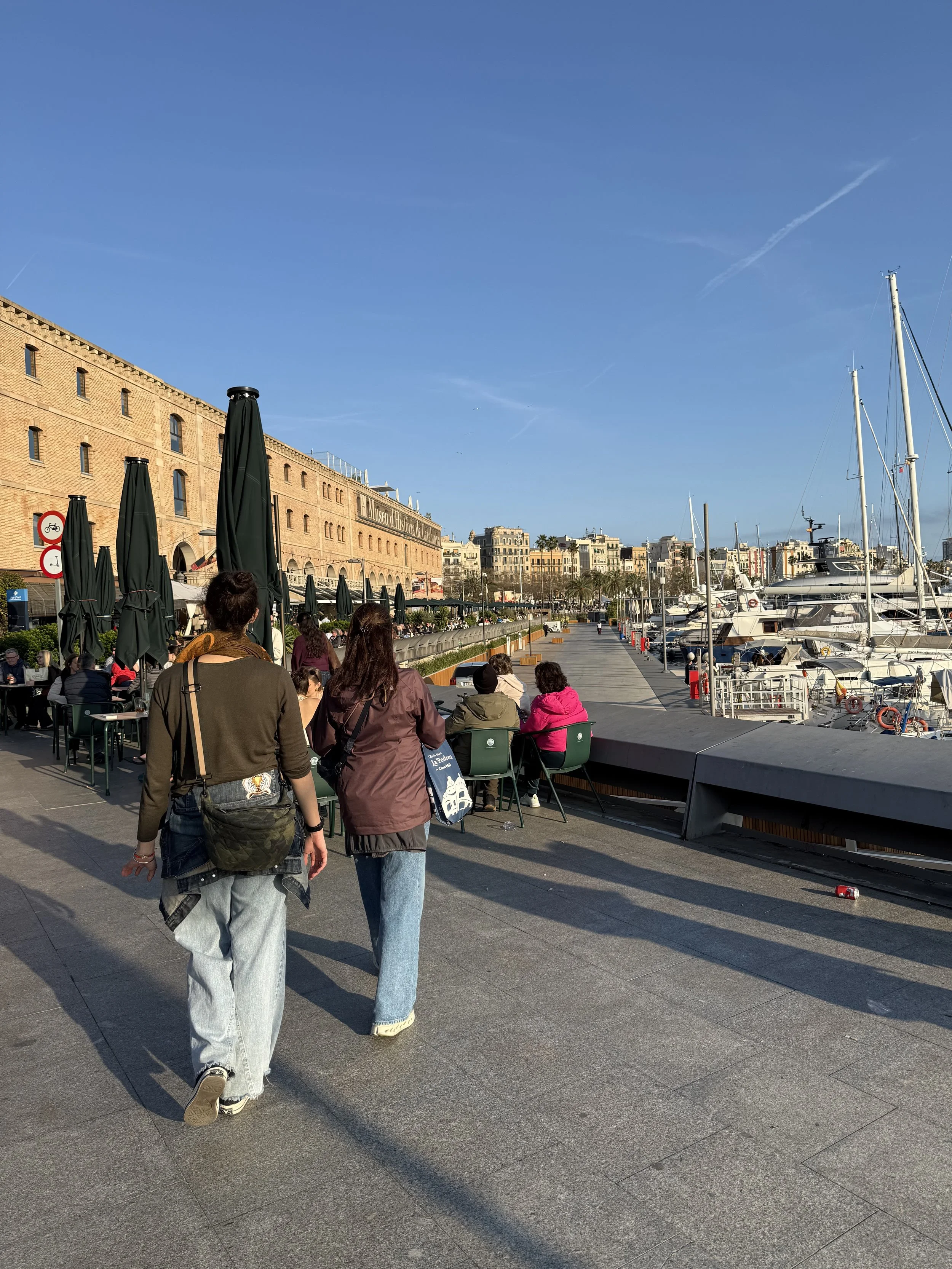
Barcelona's waterfront is the city's secret door to something wilder. The Columbus Monument. Roy Lichtenstein's Barcelona Head. Frank Gehry's Fish sculpture catching light off the water. The Barceloneta neighborhood where the streets narrow and the smell shifts to salt and fish and restaurant kitchens running at full heat.
When you can move from medieval stone to beaches in a single day, something shifts in how you understand a place. Barcelona isn't a city that chooses between civilized and wild, urban and natural. It holds both.
Barceloneta is where you want to eat at least one long lunch with your feet an arm's length from the sea — but we'll get to Catalan food in a minute, because it deserves its own room.
Catalunya on a Plate
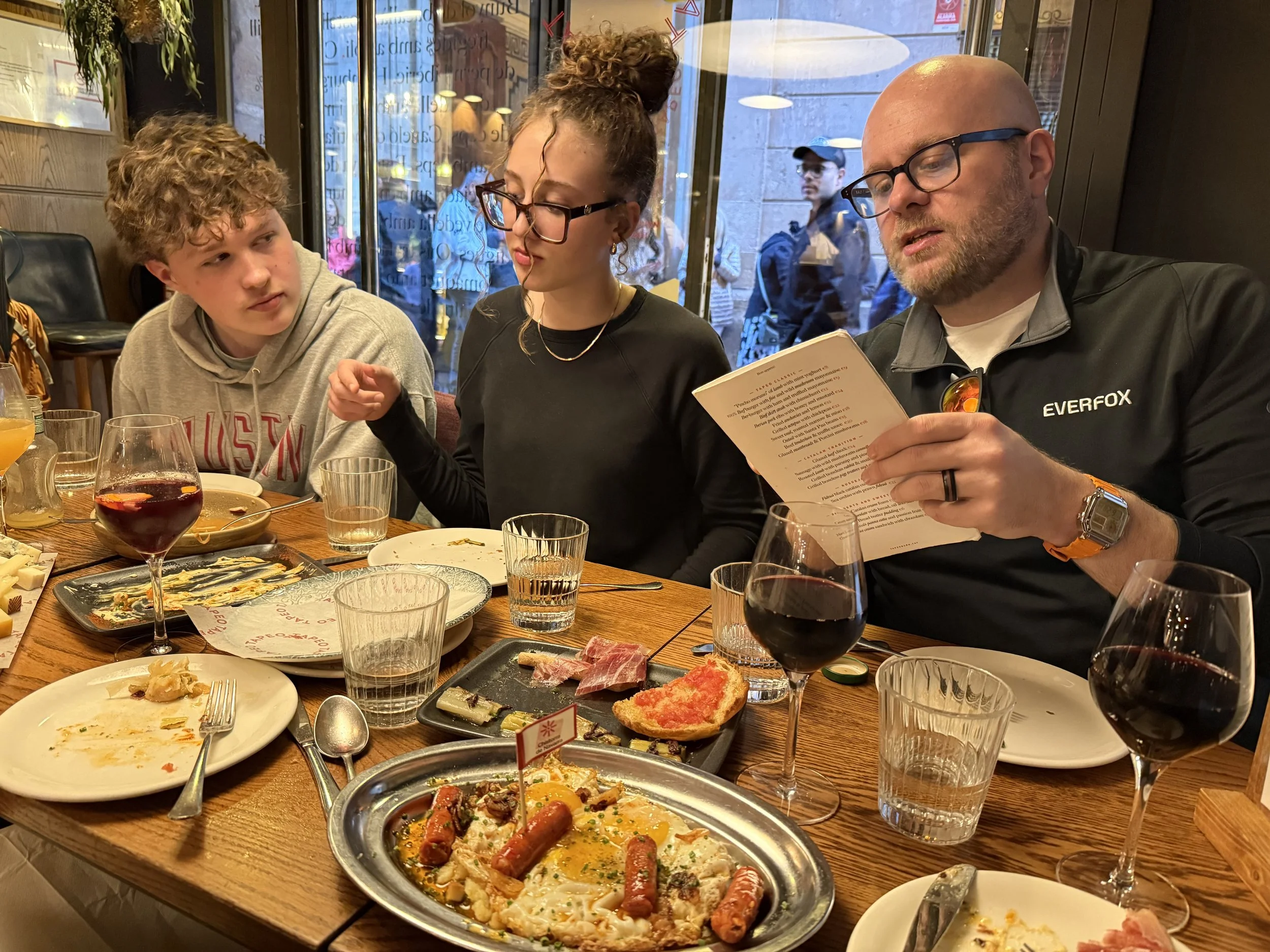
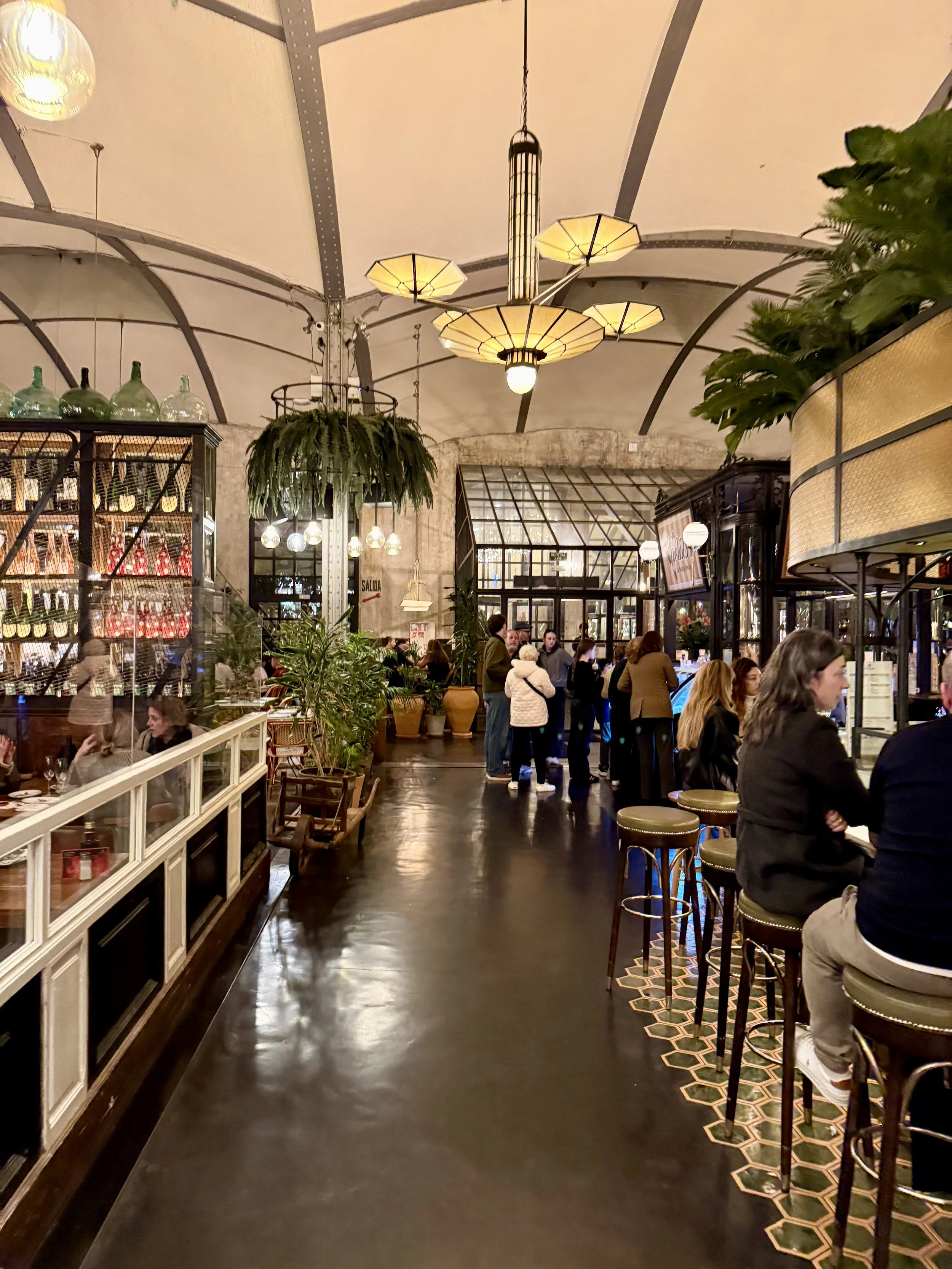
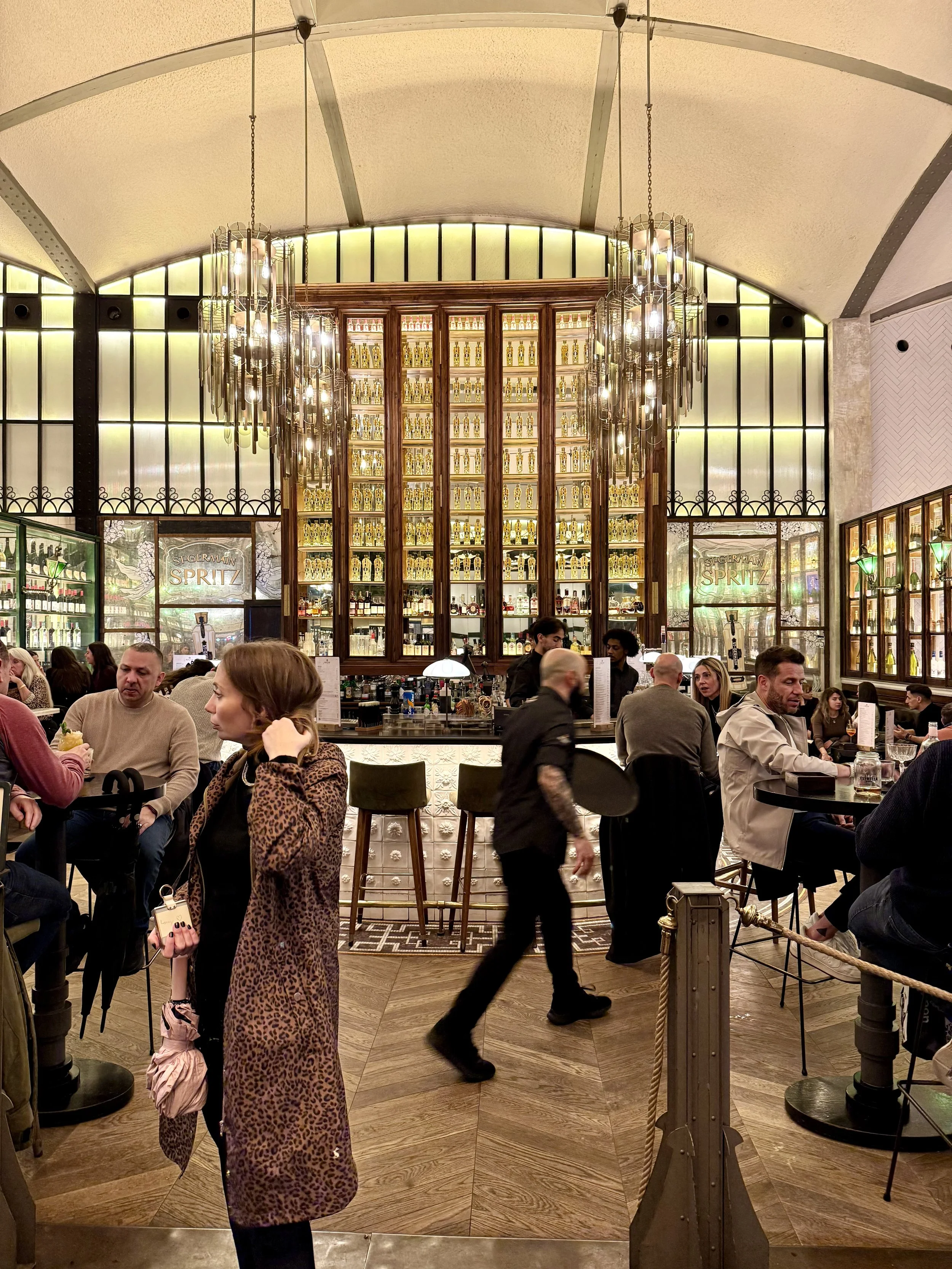
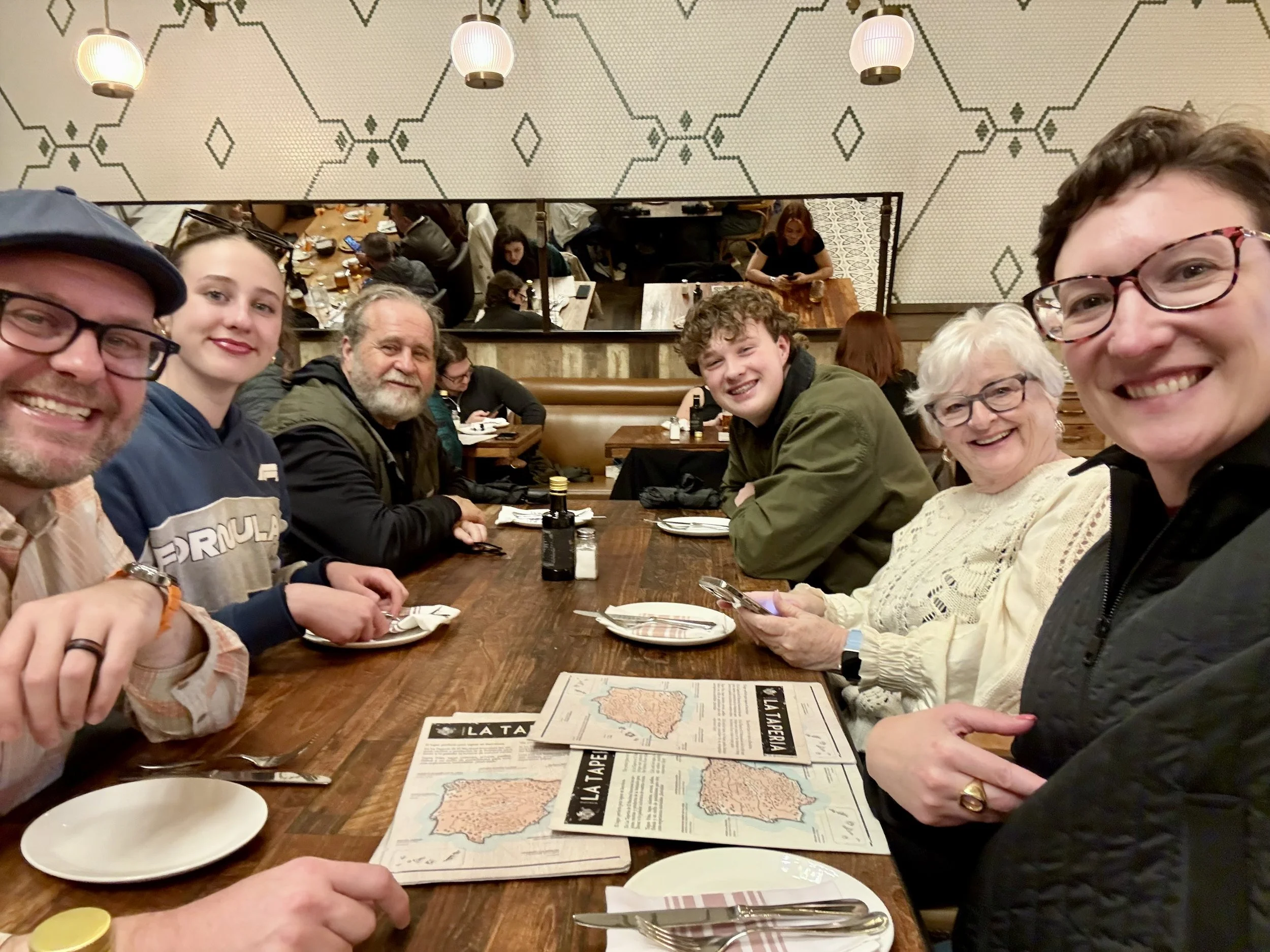
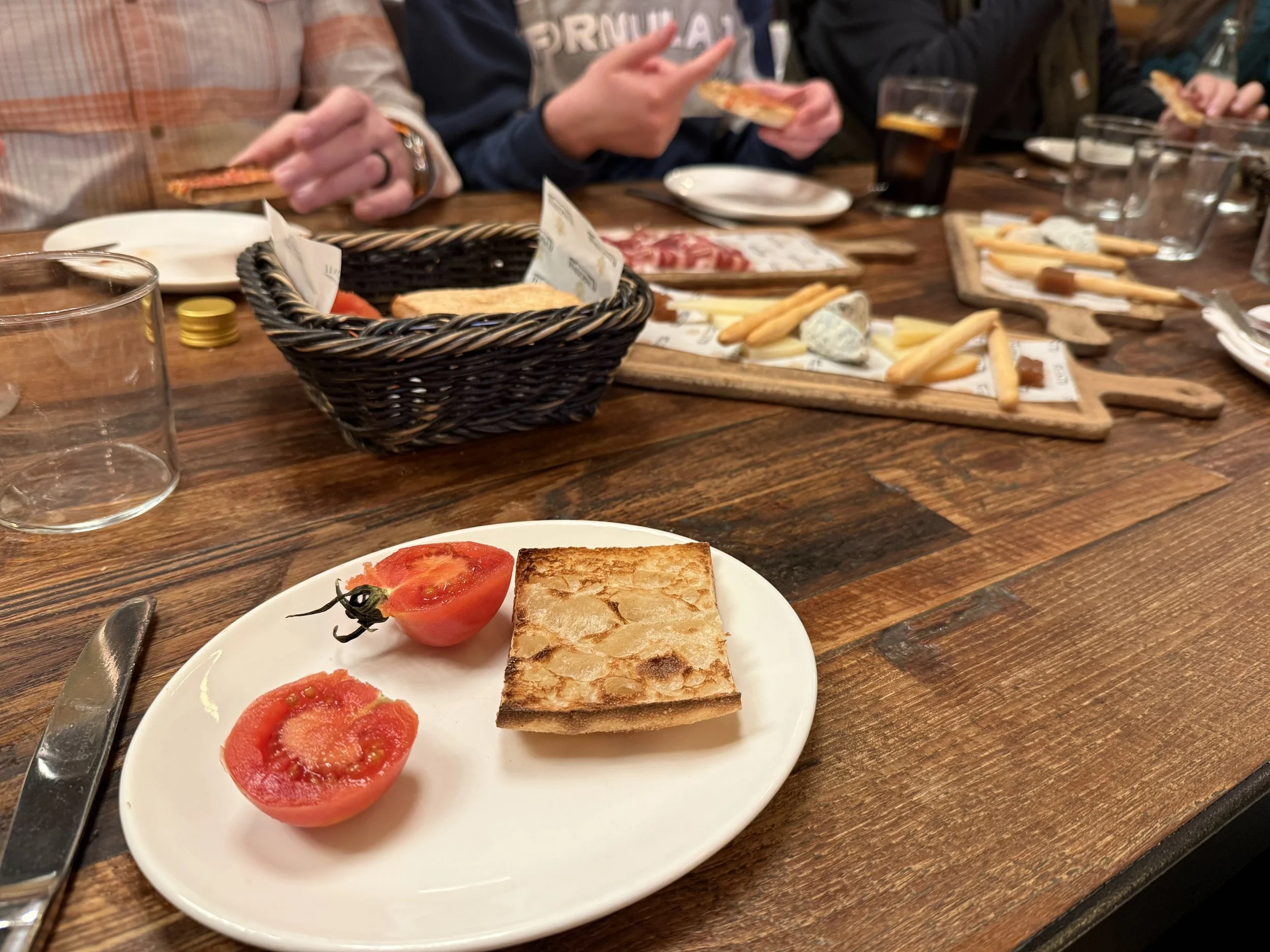
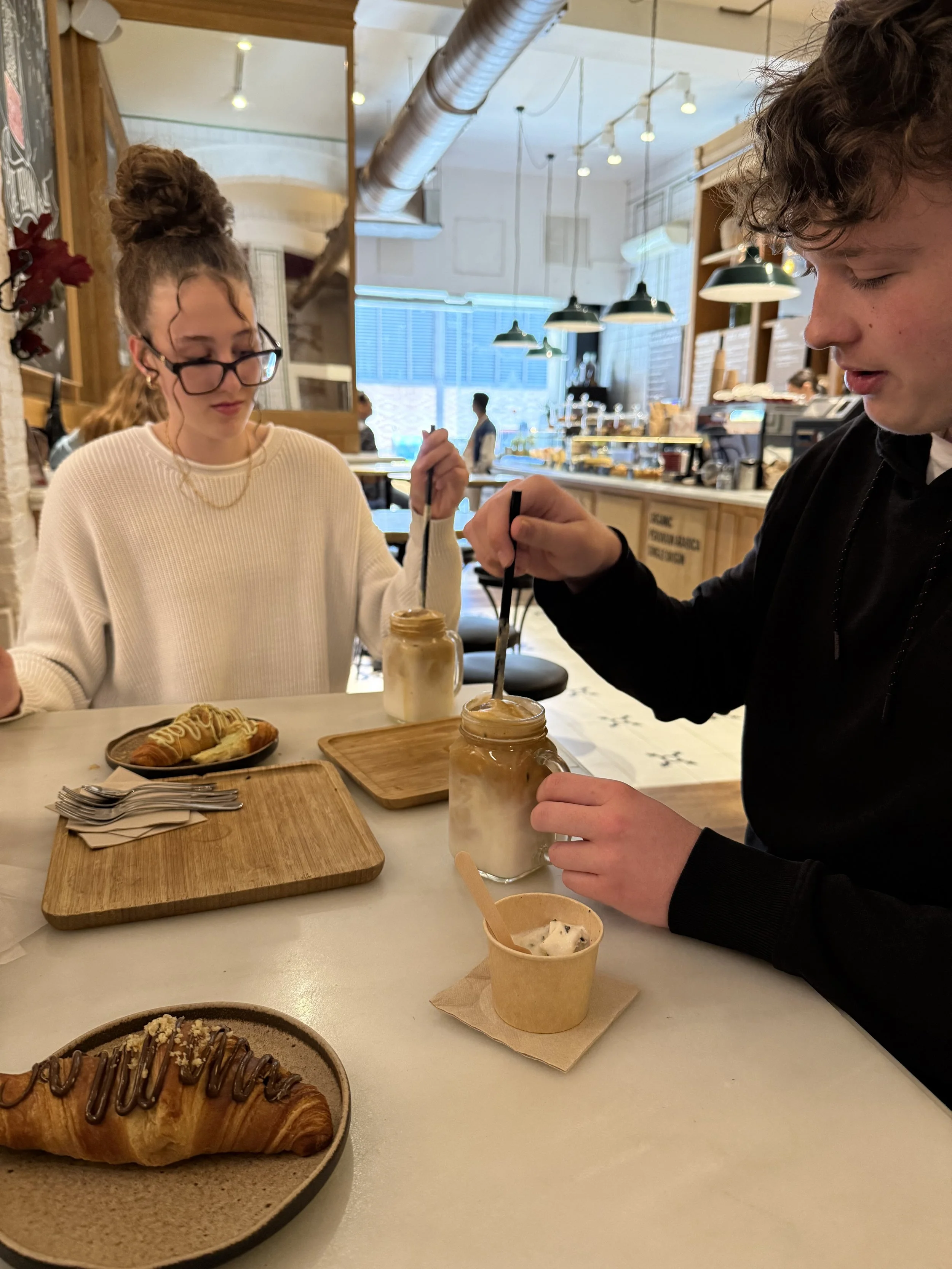
You don't really understand Catalunya until you eat here.
Catalan food isn't Spanish food with a different accent. It's its own thing — with its own grammar, its own ingredients, its own deep relationship with land and sea. Pa amb tomàquet: bread rubbed with ripe tomato, olive oil, sea salt, and a little garlic. Escalivada: slow-roasted vegetables with a sweetness you didn't know vegetables could hold. Suquet de peix: a seafood stew from the Costa Brava that tastes like it was invented by fishermen to forgive themselves for a long day. Calçots in the winter, vermouth in the afternoon, a long lunch that never asks you to rush.
And here's the multigenerational gift: food is the language everyone in our group already spoke. The teenager and the grandparent went quiet over the same bowl of paella. The parents stopped running the day. Nobody needed a phone or a translator. That's what Catalan food culture does — it slows you down and gathers you in, every time.
The Multigen Travel Window Is Shorter Than It Looks
Multigenerational travel has a shelf life, and nobody tells you that while you're still in the "someday" phase.
Every generation brings its own limiters. Toddlers need naps. Little legs need shorter walks, and strollers don't roll well on medieval cobblestones. Teenagers need something that earns their attention — not a schedule, but a reason. Parents are usually holding everything together in the middle. And grandparents are strong until they're not; the window where they can walk medieval streets, climb a monastery path, or stand through a ninety-minute football match is wider some years and narrower others. And food — what someone can eat, what someone won't eat, what a group can agree on — shapes every single day.
The honest truth is that the window where everyone in your family can still do the trip you're dreaming about is shorter than it looks, and it doesn't reopen.
We didn't wait. We made this one count.
What Barcelona gave us wasn't just a vacation. It was proof that when you're intentional about travel — when you choose a place that's generous, when you refuse to check boxes and instead pursue presence, when you leave space for the unexpected — something shifts in how a family stays connected.
Old neighbors appeared in Barcelona the same night we arrived. A college friend who moved there took us to restaurants only locals know. Conversations happened that wouldn't happen at home. The story layered and deepened in ways we didn't plan.
That's what good travel design creates. Space for the unexpected. Intention that's flexible. A place generous enough for everyone's version.
Make This One Count
If you're considering a multigenerational trip, here's what we learned from Barcelona:
Don't assume you know what will matter most. Someone came for architecture and left thinking about silence on a mountain. Someone came for history and left moved by the energy in a stadium. The gift of a generous destination is that everyone finds their version, often in unexpected places.
Reject the "something for everyone" list. Barcelona works not because it has more things, but because it's integrated. You can experience history and modernity, quiet and crowds, beaches and mountains, all without feeling like you're doing a tour checklist. The neighborhoods flow into each other. The experiences are woven.
Leave space for coincidence. We didn't plan for old neighbors to appear, or for a college friend to be our guide to hidden restaurants. We left space in the itinerary and the city filled it with moments that mattered more than anything we'd scheduled.
Understand that the window is real. People in their seventies can climb a mountain, but not every mountain, not forever. Teenagers will be teenagers for a narrowing slice of time. Grandparents will be able to travel with grandchildren for a season that closes. Don't wait. Make the trip that matters now.
#FAQ
FAQ — Barcelona For Multigenerational Travel
Q: Is Barcelona actually comfortable for traveling with multiple age ranges?
A: Yes. Barcelona's neighborhoods are connected by public transit and walkable streets (though some medieval areas are cobblestone and narrow). Most major museums, churches, and restaurants are accessible. The one area requiring more physical capability is Montserrat, which involves a steep monastery climb — but there are easier trails and seating areas. Plan the more strenuous activities for days when energy is highest.
Q: What's the best time of year for a mixed-age group visit?
A: March-May and September-November offer mild weather without extreme crowds. Summer (June-August) is crowded and hot. Winter is quieter but can be rainy. We traveled in March and found the weather ideal — cool enough for walking without overheating, warm enough for outdoor meals. Spring blooms also make the city more visually interesting.
Q: How many days do you actually need in Barcelona to experience it fully?
A: Four days minimum (3 nights) gives you time to settle in and explore neighborhoods and one day trip. Six days (5 nights) allows for deeper dives into museums, multiple neighborhoods, and a day trip like Montserrat without rushing. Eight days lets you experience Barcelona slowly, leave room for spontaneity, and do a full day trip without feeling compressed.
Q: What should we skip if visiting with multiple ages?
A: Avoid extremely crowded peak hours at major attractions (10 AM - 3 PM) or go earlier. Skip very late dinners if anyone has early-morning tiredness. Don't overplan — leave 25% of each day unscheduled. If the group includes people with limited mobility, skip extensive hiking in favor of accessible viewpoints and cable cars.
Q: How do we handle the "split interests" problem?
A: Barcelona is actually designed for this. Different people can spend 3 hours in a museum while others have coffee and explore the neighborhood — then meet up. Public transit is efficient. Museums allow flexible entry times. You're not forced to do everything together. In fact, some of the best moments happen when groups split and reconvene with different stories.
Q: Is Barcelona expensive for families?
A: Meals and attractions are less expensive than Northern European cities, more expensive than rural Spain. Budget strategically: museums are moderately priced, meals can be cheap (café breakfast, lunch menu) to expensive (dinner). Accommodations vary widely. Public transit is affordable. The main expense is the initial flight.
Q: What's the one thing we absolutely shouldn't miss?
A: There isn't one "must-do" — that's the gift of Barcelona. But if forced to choose: experience the city through walking (neighborhoods reveal themselves on foot), spend time on a beach or waterfront (it changes how you understand the place), find a moment of quiet (a café, a monastery, a small plaza), and make space for Catalunya's own culture — the Catalan language on menus and street signs, contemporary Catalan art at MACBA or the Fundació Joan Miró, castellers (human towers) if you're lucky enough to catch one, and the fierce regional identity that shapes how people here cook, paint, and build. Barcelona is Spanish, but it's Catalan first, and understanding that changes the whole trip. The combination of movement, stillness, and cultural presence is what makes Barcelona work.
Q: How do we plan for the unexpected (like meeting old friends or finding amazing restaurants)?
A: Leave 25-30% of your itinerary unscheduled. Walk as your primary exploration method — you find things you didn't plan. Duck into shops (Barcelona's design stores, vintage boutiques, and neighborhood markets are part of the city's personality). Let music pull you in — Barcelona's buskers, flamenco bars, and outdoor concerts reveal themselves if you aren't rushing. Spend at least one evening in a plaza, doing nothing but watching the city exist — Plaça Reial, Plaça del Sol, or Plaça de la Vila de Gràcia are good places to start. Sit at a local market (La Boqueria, Mercat de Santa Caterina, Mercat de Sant Antoni) and watch a neighborhood's food economy unfold for an hour. Talk to locals and your accommodation host. Be willing to skip something planned if a better opportunity emerges. The best travel memories usually come from the flexible space, not the scheduled parts.
Q: What's realistic to do on a day trip from Barcelona?
A: Barcelona is one of the great day-trip cities in Europe. Our favorites, with tours we trust if you want to skip the planning:
Montserrat — a Benedictine monastery carved into otherworldly rock formations, about an hour outside the city. Our pick: the Montserrat Morning Tour with cog-wheel train and priority access, just under seven hours, and the cog-wheel train is a sweet detail that appeals to every generation. Book it
Girona — medieval walls, a Jewish Quarter among the best-preserved in Europe, colorful houses along the Onyar River, and a cathedral used as a filming location for Game of Thrones. About forty minutes by high-speed train. For Girona specifically, we love this expert-led day trip — seven hours with a historian or architect leading the way. Book it
Sitges — a whitewashed coastal town with nineteen beaches, a strong arts scene, and an easygoing Mediterranean rhythm that feels worlds away from Barcelona. About forty-five minutes by train. A wonderful way to see it is paired with the Roman ruins of Tarragona on this private Tarragona + Sitges day trip, ten hours. Book it
Costa Brava — rugged coastline, hidden beaches, whitewashed fishing villages, and the landscapes that shaped Salvador Dalí. For Dalí lovers, the private Figueres + Cadaqués day trip (eleven hours) hits his theatre-museum and the quiet seaside village where he lived and worked. Book it
A good day-trip structure: leave early, spend four to five hours at the destination, return in time for a late Barcelona dinner. Two distinct experiences in one day without exhausting the group.
Ready To Make Yours Count?
Barcelona teaches you something essential about multigenerational travel: it works when the destination is generous, when you're thoughtful about intentions, and when you leave space for presence over perfection.
If you're imagining a trip like this — a moment that brings generations together, that leaves room for different interests, that creates memories that last — we design those. Not from templates. From conversation about what your family needs, what time together would actually matter, and what kind of adventure fits your people.
And beyond the multigen window? Barcelona is a city for everyone. Solo travelers. Couples. Old friends reuniting. First-timers. People returning for the third or fourth time, chasing a memory or a meal or a moment. The same city that can hold three generations at once can hold whoever you are and whatever you're chasing. We design those trips, too — tell us who you are and what you want, and we'll build the perfect plan for you.